I’ve been diving deep into hydroponics lately, and it’s eye-opening how you can grow fresh produce year-round, even in the dead of winter. The internet makes researching so much easier than it used to be. I’m planning to build an earth-sheltered greenhouse eventually—got a backhoe, wood-heated underground piping for another building, so it’s not a huge stretch. Just need to find the time between running a kennel and all the other half-finished projects around here.
But honestly, with all the food scares and insane regulations, it feels foolish not to have a backup plan. I remember watching Jericho years ago—doesn’t seem that far-fetched anymore. We’re gradually shifting back toward self-sufficiency. Hydroponics is a big part of that because you avoid soil-borne diseases and control nutrients precisely.
What’s your experience with hydroponic systems? I’ve seen folks use simple deep water culture (DWC) setups with airstones and net pots. Others go full NFT (nutrient film technique) or ebb-and-flow. The startup cost can be higher than soil, but the yields and control are worth it. Plus, you don’t have to worry about weeding!
One thing that surprised me is how many people associate hydroponics with a certain subculture—the non-taxed payoff kind. But for those of us who just want a homegrown tomato in January that actually tastes like something, it’s a totally legitimate hobby. I encourage anyone curious to start small: a bucket, a pump, some rockwool, and a few seeds. You’ll be amazed.
Also, for anyone dealing with stray cats and skunks while gardening, I’ve had my share of adventures. Trap-neuter-return (TNR) is a great program, but handling the traps is tricky. Cover them with a blanket to reduce stress, and take the whole trap to the vet. Just make sure they notch the ear so you don’t accidentally double-neuter a tomcat—learned that the hard way.
Anyway, what’s your take on year-round gardening? Are you planning a greenhouse or hydroponic setup? Let’s swap ideas.
Topic Summary: I’ve been diving deep into hydroponics lately, and it’s eye-opening how you can grow fresh produce year-round, even in the dead of winter. The internet makes researching so much easier than it used to be.
---
title: Year-Round Gardening Options
---
flowchart TD
    A[Goal: Year-Round Food Supply] --> B{Choose Method}
    B --> C[Greenhouse]
    B --> D[Hydroponics]
    C --> E[Season Extension]
    C --> F[Cold Frames]
    D --> G[NFT System]
    D --> H[DWC System]
    E --> I[Harvest]
    F --> I
    G --> I
    H --> I
 Topic Overview (Wikipedia):
Hydroponics is a type of horticulture and a subset of hydroculture which involves growing plants, usually crops or medicinal plants, without soil, by using water-based mineral nutrient solutions in an artificial environment. Terrestrial or aquatic plants may grow freely with their roots exposed to the nutritious liquid or the roots may be mechanically supported by an inert medium such as perlite, gravel, or other substrates.
— Read more on Wikipedia
 YouTube Video:
 Official Documentation & Reference Links:
Totally agree about the food supply. It’s why I got into hydroponics and greenhouse growing in the first place. The government keeps pushing more restrictions on everything from seeds to soil amendments, but they won’t enforce the laws that actually protect consumers. I stick to heirloom varieties and build my own systems from recycled materials.
On the cat front—yes, TNR is a lifesaver, but those feral toms are no joke. You’re right about covering the trap and taking it directly to the vet. I’ve also started using a drop trap for the smarter ones. And the ear notch is crucial; I’ve seen too many cats unnecessarily re-snipped.
For heating a greenhouse, have you looked into geothermal? Even a simple trench with buried pipes can moderate temperatures. Combine that with thermal mass (water barrels painted black) and you can keep things frost-free with minimal energy. We’re planning a small greenhouse attachment to the south wall of our house, using passive solar.
As for hydroponics, I recommend starting with Kratky method if you want zero electricity—just a container, net pot, and nutrient solution. It’s how I grow lettuce and herbs all winter. Not ideal for heavy feeders like tomatoes, but it’s a great intro.
I’d love to hear more about your greenhouse design. Are you going pit-style or walipini? And what’s your take on vertical towers for small spaces?
I’ve been following this thread and it’s great to see the mix of practical experience and long-term thinking. Both of you raise points that are more relevant now than ever. The push for year-round gardening isn’t just about having a tomato in January – it’s about resilience in a world where supply chains can snap overnight. That’s exactly why I’ve been digging into the deeper mechanics of hydroponics beyond the basic setups.
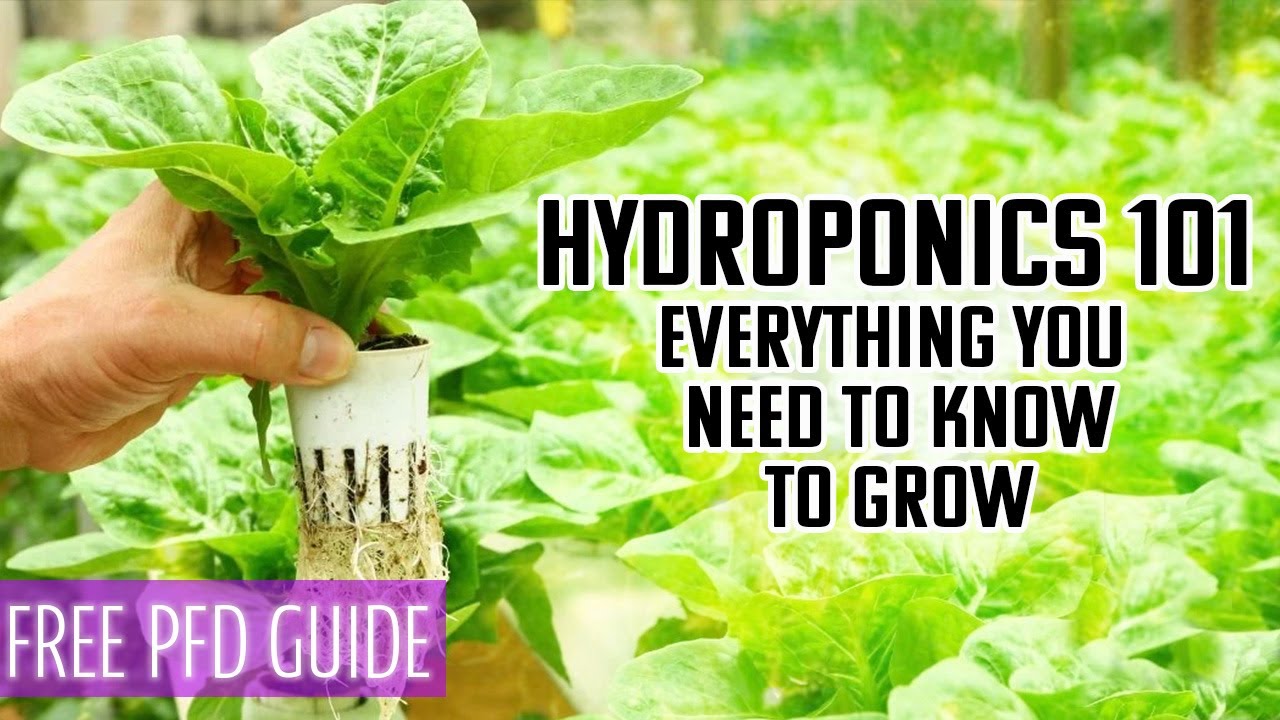
The Mermaid diagram posted above outlines a clean decision tree: start planning, choose a system (DWC, NFT, or ebb and flow), set up the hardware, add nutrients, monitor pH and EC, then harvest. What many people skip is that “monitor pH and EC” step. That’s where the bottleneck is for most beginners. You can build a perfect Deep Water Culture bucket, but if your pH drifts to 7.5 or your EC spikes above 2.0, your plants stall or burn. I’ve found that combining a simple DWC system with a cheap digital pH meter and a conductivity pen dramatically improves success rates. The Hydroponics 101 video that was mentioned covers those basics well – it’s worth watching before buying any equipment.
On the modern side, what excites me is how accessible automation has become. You can now buy off-the-shelf pH dosers, timer-controlled pumps, and even cloud-connected sensors that alert your phone when the reservoir temp hits 80F. This takes the labor out of the monitoring step and makes year-round growing practical for someone working a full-time job. The Wikipedia article on hydroponics points out that commercial greenhouses have been using these techniques for decades; now the tech is cheap enough for a home hobbyist.
There’s also a trend toward integrating hydroponics with renewable energy – solar panels powering pumps and fans, or geothermal loops stabilizing greenhouse temps as EcoWarrior mentioned. That’s where the real self-sufficiency payoff lies. You’re not just controlling your food supply; you’re decoupling from the grid and the grocery store simultaneously. For anyone hesitant about the upfront cost, remember that a single Kratky jar of lettuce costs about fifteen cents worth of nutrients and seeds. Scale that up and the ROI comes fast.
If I had one piece of advice from my own experience, it’s to start with the system that matches your lifestyle, not just your ambition. DWC is forgiving and great for greens. NFT works well for herbs but is more finicky with clogging. Ebb and flow handles heavy feeders like tomatoes but requires more maintenance. The key is to get that first harvest under your belt, then iterate. Taking control of your food supply isn’t a one-time build – it’s a continuous learning process.