

It’s wild to think that nearly two decades ago, Ubuntu was just breaking into the mainstream, snagging 27th place in PC World’s Top 100 Software list. Back then, version 6.06 (Dapper Drake) was lauded for being “fast and polished” — and honestly, it set the stage for what Linux could be for everyday users.
The Award That Kicked Off a Revolution
In 2006, PC World named Ubuntu one of the best open-source software products. That wasn’t just a badge of honor; it signaled a shift. Ubuntu combined the power of Debian with a user-friendly approach, making it the go-to distro for Windows refugees and hobbyists alike. Users like amir691 and Chrisseh praised its speed on aging hardware and the free CD program (remember ordering discs? I still have a few in a drawer).
Where Ubuntu Stands Today (2026)
Fast forward to July 2026, and Ubuntu has evolved into a massive ecosystem. The latest LTS release (24.04) remains a rock-solid foundation for desktops, servers, cloud instances, and IoT devices. Canonical has doubled down on Snap packaging, which remains controversial but undeniable in its reach. The desktop experience with GNOME has matured tremendously, offering a polished workflow out of the box.
- Desktop: Ubuntu 24.04 LTS supports Wayland by default, fractional scaling, and seamless integration with Flathub (even though Snap is preferred). Performance on older machines is still stellar — I’ve revived a 2012 ThinkPad with it.
- Server & Cloud: Ubuntu dominates cloud deployments — over 60% of workloads on AWS and Azure run on Ubuntu. The combination of LTS support and livepatch makes it enterprise-ready.
- Community: The forums and Ask Ubuntu remain vibrant, with thousands of active contributors. The free CD program is long gone, but ISOs are available instantly.
Modern 2026 Trends & Best Practices
If you’re diving into Ubuntu today, here’s what’s changed:
- Snaps vs. Flatpaks: Canonical pushes Snaps for security and automatic updates, but many users prefer Flatpaks from Flathub. Both work well; choose based on your ecosystem.
- Wayland vs. X11: Wayland is the default and works great for most users. If you need screen sharing or legacy apps, X11 is still available.
- ZFS and Btrfs: Ubuntu now supports ZFS as a root filesystem (experimental) and Btrfs for snapshots. Timeshift is a popular tool for rollbacks.
- WSL2: Ubuntu is the most popular distro on Windows Subsystem for Linux 2, bridging the gap between platforms.
- AI/ML: Ubuntu is the leading OS for AI development, with pre-installed drivers for NVIDIA CUDA and ROCm.
Comparative Evolution
| Then (2006) | Now (2026) |
|---|---|
| 6.06 LTS (Dapper Drake) | 24.04 LTS (Noble Numbat) |
| GNOME 2 | GNOME 46 (Wayland) |
| Warty Warthog installer | Ubuntu Desktop installer (Flutter-based) |
| Free CD mail order | ISO download + USB creation |
| Breezy Badger → Dapper Drake upgrade | LTS upgrades with ESM (10 years security) |
Why Ubuntu Still Wins
It’s no surprise that Ubuntu continues to earn accolades. It’s the distro that “just works” while offering the flexibility power users crave. Whether you’re a developer, sysadmin, or curious newcomer, Ubuntu’s combination of stability, community, and cutting-edge packages makes it a top choice.
 Topic Overview (Wikipedia):
 YouTube Video: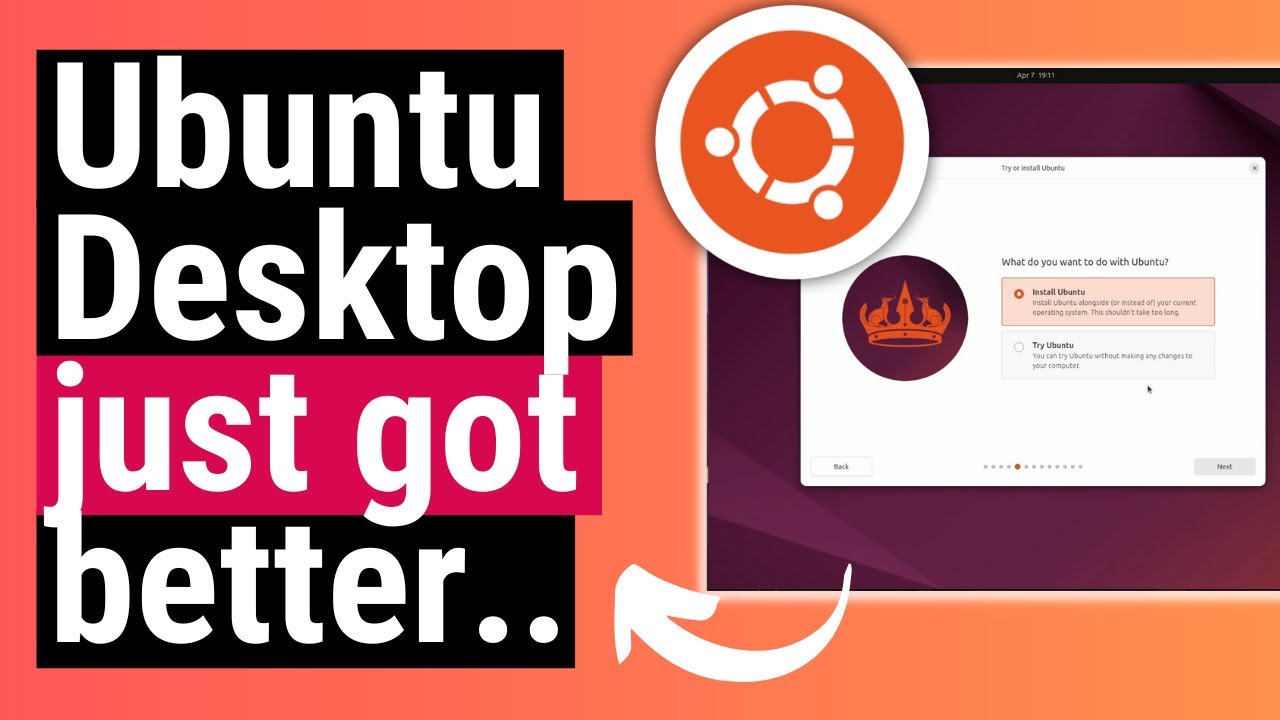
 Official Documentation & Reference Links: