The Modern High Score War: Beyond the Arcade
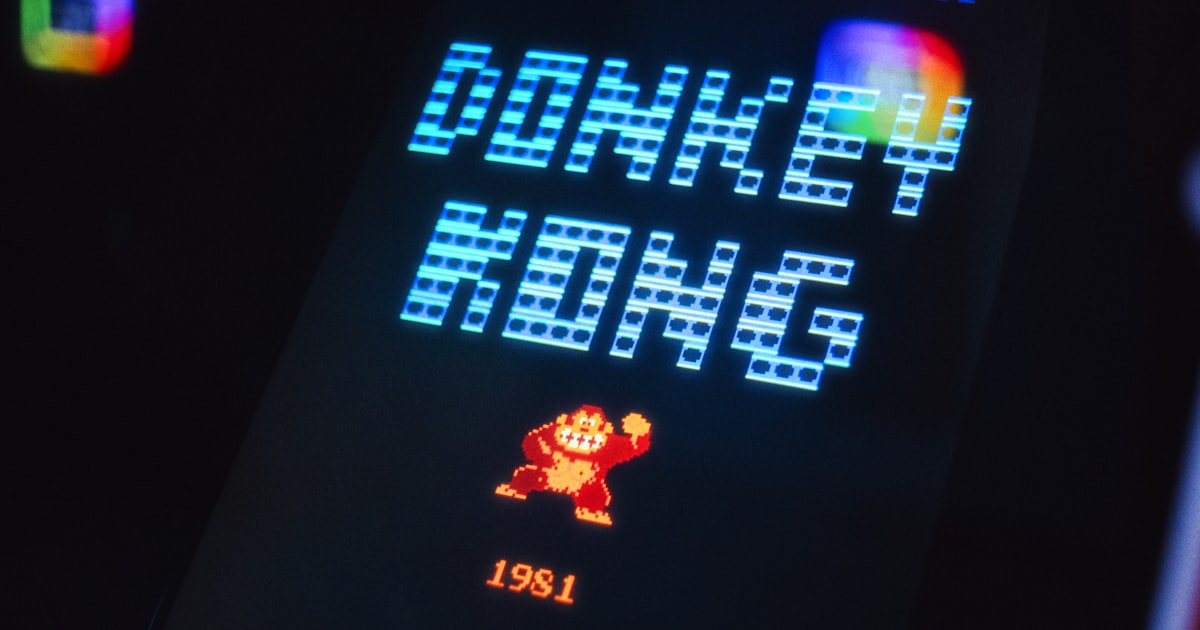
The Donkey Kong high score war isn’t just a nostalgia trip; it’s a fascinating case study in how classic competitive gaming has evolved. The rivalry between players like Mastermund and Windborn mirrors the golden age, but the tools and platforms have transformed the battlefield.
Live Streaming and Social Media
Today’s high score chases are often livestreamed on Twitch, where viewers can watch every barrel jump and rivet sprint in real time. This adds a new layer of pressure and community engagement. A player’s performance can instantly become a global event, with chat offering tips or heckling mistakes. The social aspect extends to Discord servers where rivals discuss strategies and share replays, making the war more transparent and collaborative than the secretive arcade backroom days.
Leaderboard Authenticity and Verification
Trust is a cornerstone of any score war. Modern platforms like Twin Galaxies use video evidence and live adjudication. However, the rise of AI-spliced footage and emulation cheats has led to advanced verification methods: frame-by-frame analysis, input display overlays, and even machine learning to detect unnatural patterns. This technological arms race between competitors and verifiers is a contemporary twist on the old honor system.
Hardware Neutrality?
Hazaa rightly highlighted the impact of FPGA vs. emulation vs. original hardware. In competitive scenes, there’s an ongoing debate about what constitutes a “valid” run. Some purists insist on original PCBs with CRTs, while others accept MiSTer or MAME with run-ahead disabled. The community has partially standardized on the “Donkey Kong Forum” settings, but disagreements persist. This fragmentation mirrors what we see in other retro speedrunning communities, where hardware versions affect times.
The Psychology of Rivalry
Why do these wars capture our attention? Beyond the game itself, they represent a pure form of human competition. Each reply in this thread shows a mix of ego, camaraderie, and obsession. Modern tools like automatic score scrapers and bot-driven practice partners (e.g., using scripted training roms) can accelerate improvement, but they also risk diminishing the human touch. The best rivalries happen when both players are pushing each other’s limits, not just chasing arbitrary numbers.
Modern Scoring Techniques
- Barrel Pattern Optimization: Top players now use RNG manipulation (via designated starting clocks) to force favorable barrel spawns. This was unknown in the 80s.
- Rivet Screen Efficiency: Frame-perfect ladder climbing and enemy stacking have been mapped out to pixel precision. Community wikis share exact positioning for each rivet.
- Pie Factory Glitch Exploitation: Some modern runs use a known collision glitch on the pie factory screen to skip sections, though this is controversial in competitive circles.
The Future of the War
As FPGA becomes more accessible and emulation latency shrinks, the skill ceiling will keep rising. We may see a return to the “kill screen” being achievable by more players. Meanwhile, the social dynamics will continue to evolve—perhaps AI opponents that mimic specific rival players could provide endless practice. The Donkey Kong high score war is far from over; it’s just entered a new, more connected phase.
What do you all think about the role of hardware certification in modern score chasing? Should a MiSTer run be considered equal to original hardware?
 Topic Overview (Wikipedia):
 YouTube Video: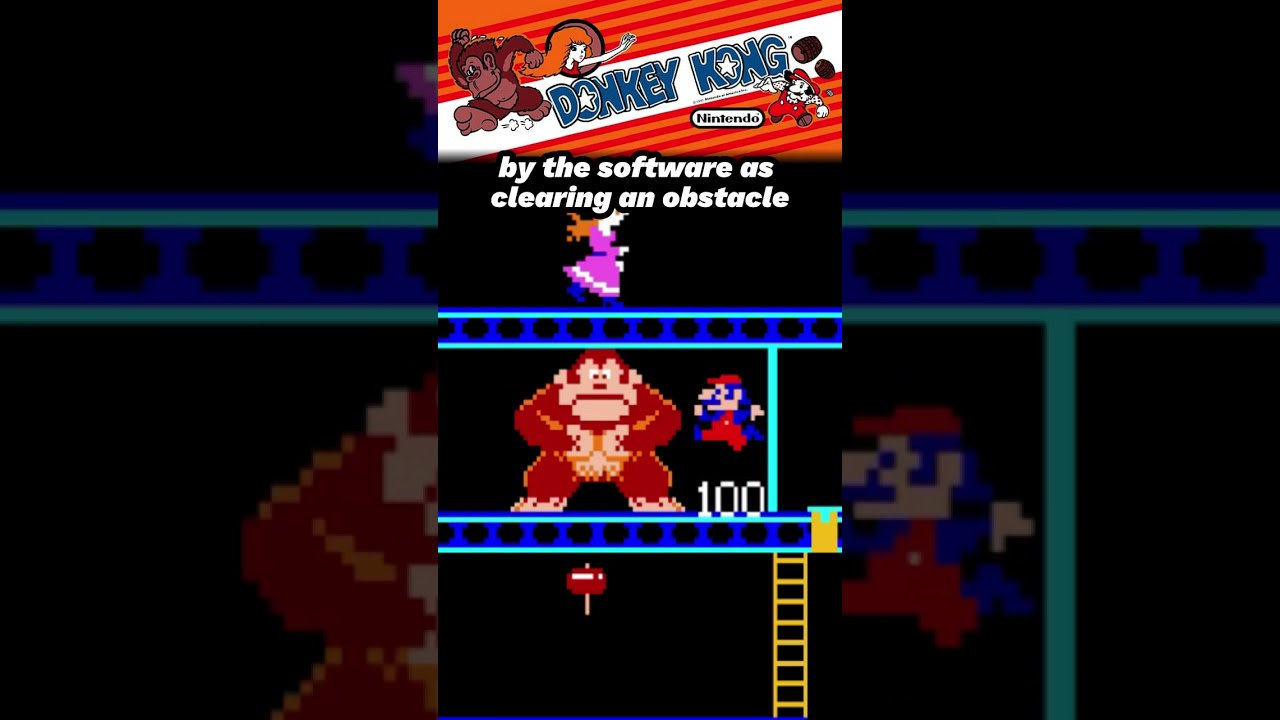
 Official Documentation & Reference Links: