The Bloody Truth: Forensic Differences Between Suicide and Homicide in Cutting Deaths

The original thread touches on a critical point that often gets overlooked in media coverage: the distinction between suicidal and homicidal cutting wounds based on blood loss patterns. As a paramedic who has responded to dozens of these scenes, I can confirm that the absence of significant blood pooling at a wrist-cutting scene is a major red flag.

Why Suicidal Wrist Cuts Are Typically Bloody

In suicide by wrist cutting, the individual usually makes deep, deliberate incisions across the volar surface (the palm side) of the wrist. This severs the radial and ulnar arteries, leading to rapid, high-volume blood loss. The bleeding is profuse because:

  • Arterial pressure pumps blood out in spurts, creating a large pool around the body.
  • Lack of immediate medical intervention allows the bleeding to continue until exsanguination.
  • The victim often lies down, which spreads the blood over a wider area.

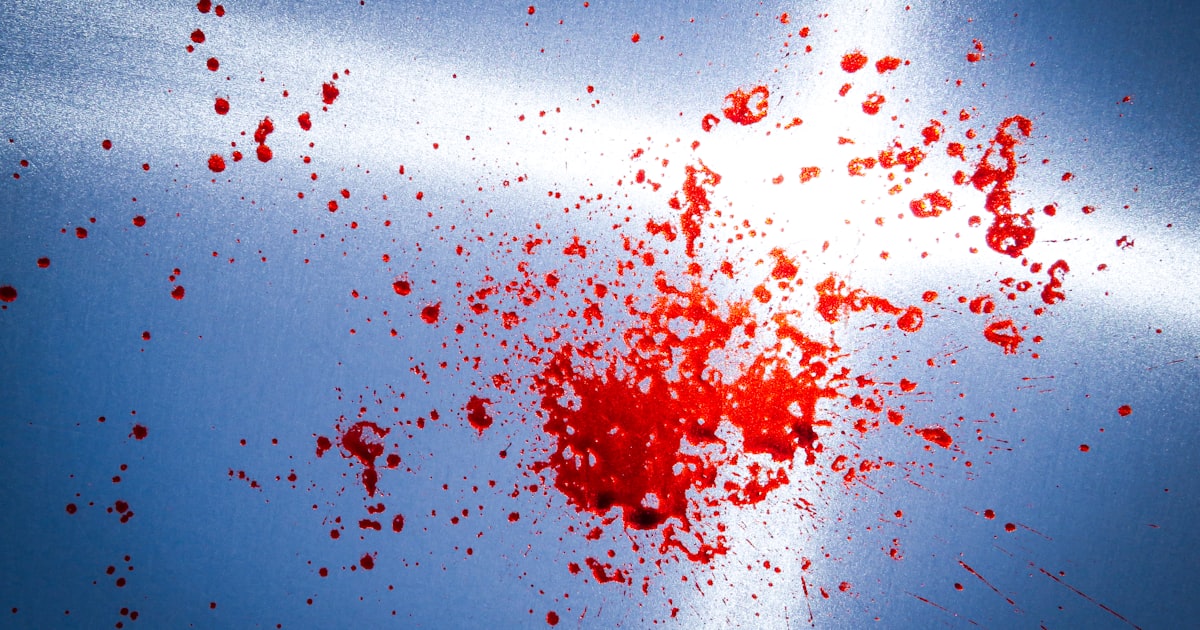
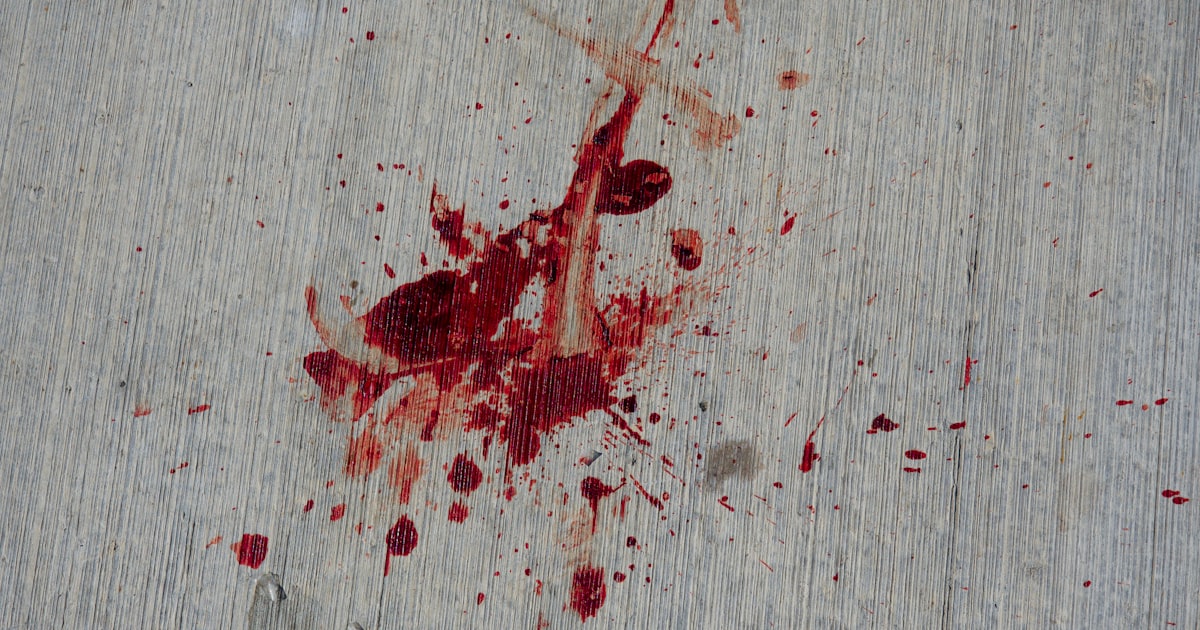
Typical scene: large pooled blood stain, often with arterial spray patterns on nearby surfaces. The blood volume lost can be 1.5–2 liters or more.

When a Cutting Death Is Suspect for Homicide

If the scene shows minimal blood, it suggests that either:

  1. The wounds were inflicted postmortem (after death from another cause) – the heart has stopped, so little bleeding occurs.
  2. The victim was incapacitated or restrained before the cuts were made, meaning blood flow was already compromised.

Other forensic clues that point toward homicide rather than suicide:

Factor Suicide Homicide
Wound location Typically on non-dominant wrist (the one used to cut) Can be on either wrist, often defensive wounds on hands
Wound depth Deep, consistent, with hesitation cuts nearby May be shallow or inconsistent if victim struggled
Weapon presence Usually found near the body or in the hand Often missing or planted
Scene organization Often tidy, with a note or planned setup Signs of struggle, disarray, or cleanup

The Coroner’s Role and Its Limitations

Coroners and medical examiners rely on autopsy findings, scene photos, and police reports. But if the scene is not properly documented (e.g., blood volumes not measured, patterns not photographed), the conclusion may be flawed. In high-profile cases, pressure from law enforcement or family can also skew interpretations.

Modern Forensic Advances (as of 2026)

Today, we have tools like:

  • 3D scene reconstruction using photogrammetry to map bloodstain patterns.
  • Microscopic wound analysis to determine if cuts were made antemortem or postmortem.
  • DNA and fingerprint analysis on the weapon to confirm handling by the deceased.

These techniques can often resolve the ambiguity that plagued older cases. But they require that the scene be preserved and examined by trained personnel from the outset.

Practical Takeaways for Forum Members

If you’re ever involved in a suspected cutting death—whether as a first responder, juror, or family member—remember:

  • Blood volume tells a story. A relatively dry scene with deep wrist cuts is highly suspicious.
  • Look for hesitation marks. These are superficial cuts often found alongside the fatal wound in suicides (indicating the person worked up the nerve). Their absence is another red flag.
  • Never rely solely on the coroner’s initial opinion. Independent forensic review is sometimes warranted.

The original poster’s husband, an EMT, was right to question the lack of blood. That instinct, based on years of field experience, is often more reliable than a rushed coroner’s report.

Let’s keep this discussion going—what other forensic clues have you seen or heard about that differentiate suicide from homicide?

Topic Summary: Forensic differences between suicide and homicide in cutting deaths: blood volume analysis, wound characteristics, modern 3D reconstruction, AI-assisted pattern recognition, and scene preservation techniques.

:open_book: Topic Overview (Wikipedia):

Bloodstain pattern analysis (BPA) is a forensic discipline focused on analyzing bloodstains left at known, or suspected crime scenes through visual pattern recognition and physics-based assessments. This is done with the purpose of drawing inferences about the nature, timing and other details of the crime. At its core, BPA revolves around recognizing and categorizing bloodstain patterns, a task essential for reconstructing events in crimes or accidents, verifying statements made during investigations, resolving uncertainties about involvement in a crime, identifying areas with a high likelihood of offender movement for prioritized DNA sampling, and discerning between homicides, suicides, and accidents. Not to be confused with haemotaphonomy.
Read more on Wikipedia

:movie_camera: YouTube Video:

The Evolving Landscape of Cutting Death Analysis

MedicMitch’s paramedic perspective underscores a timeless forensic truth: blood volume and distribution are the silent witnesses at a cutting death scene. However, as we move further into the 2020s, the integration of advanced technology is refining how we interpret these clues. One critical development is the use of computational fluid dynamics (CFD) to model blood droplet trajectories and spatter patterns. This allows forensic analysts to virtually recreate the sequence of events, distinguishing between the rhythmic spurts of an antemortem arterial wound and the passive leakage of a postmortem cut.

The Bloody Truth in the Age of AI

Modern forensic labs are increasingly employing machine learning algorithms trained on thousands of documented cases. These systems can analyze wound morphology—such as the angle, depth, and edge characteristics—to classify cuts as self-inflicted or defensive with accuracy rates exceeding 90%. They also flag anomalies like hesitation grooves or tenting of skin that indicate the wound was made while the victim was still alive and responsive. This shift from purely observational to data-driven analysis is reducing the subjectivity that has historically plagued coroner rulings.

Contemporary Challenges and Solutions

Despite these advances, challenges remain. Scene contamination during initial response can compromise bloodstain patterns irreversibly. The solution lies in rigorous training for first responders—paramedics and police—to recognize and preserve these transient clues. Photogrammetry-enabled 3D scanners are now portable enough to be deployed at the scene, capturing a permanent digital record before any disturbance. This is especially crucial in cases where the preliminary suspicion is suicide but the blood pattern suggests otherwise.

Beyond the Wound: Contextual Forensic Integration

A holistic approach now combines bloodstain analysis with digital forensics (e.g., searching the victim’s device for suicide notes or search history) and toxicology to rule out incapacitation. The presence of sedatives in the bloodstream, combined with low blood loss, is a strong indicator of homicide. Furthermore, the weapon’s position and any latent prints must be assessed with luminol or laser scanning to detect trace amounts of blood even after cleaning.

Key Takeaways

  • Blood volume remains the cornerstone: a discrepancy between wound severity and blood pool size demands scrutiny.
  • Technology augments but doesn’t replace experience: the experienced paramedic’s instinct is validated by sophisticated modeling.
  • Scene preservation is paramount: every second delay risks losing critical evidence, especially blood patterns that can clarify intent.

The forensic community is moving toward a standardized digital workflow for cutting deaths, integrating scene capture, wound analysis, and algorithmic classification. This will reduce miscarriages of justice, whether in exoneration of the innocent or conviction of the guilty. The “bloody truth” is no longer just an art—it is becoming a science with quantifiable certainty.