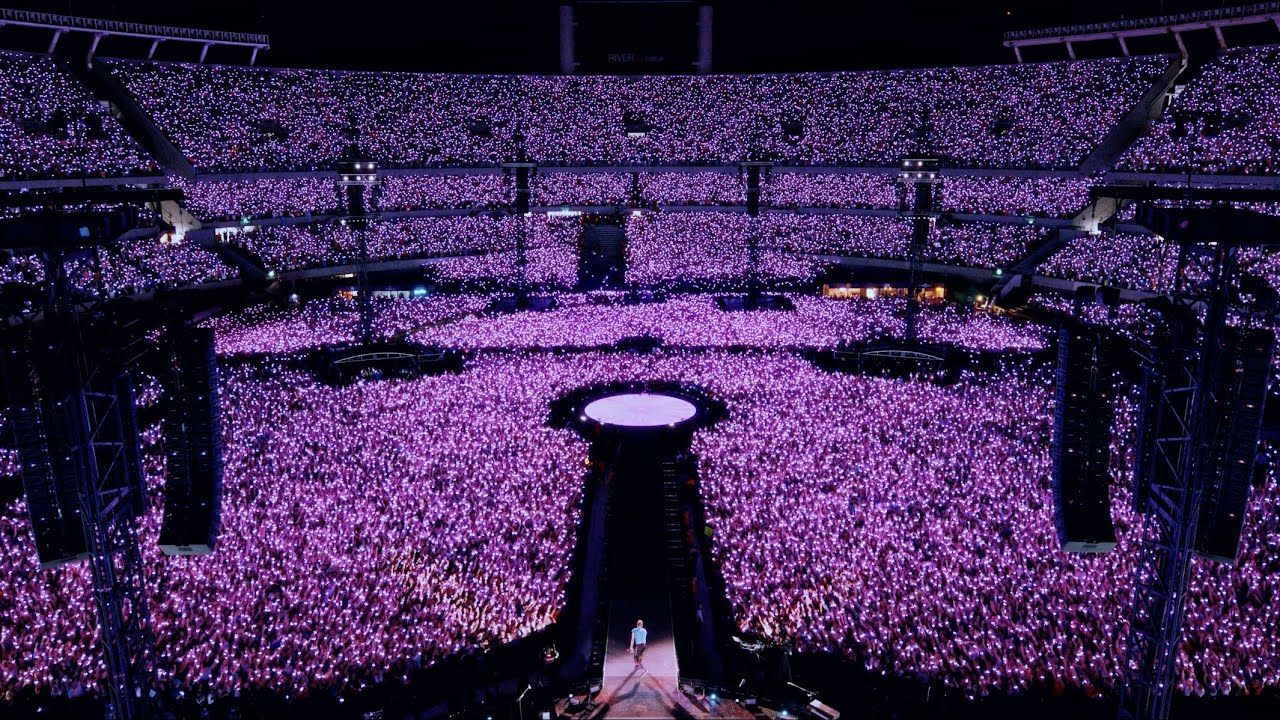
There are moments in life that stick with you forever, and for many of us, those moments happen at live concerts. I’ve been thinking about the threads where people share their favorite shows—those nights that changed everything. Whether it’s Neil Young in 2000, Radiohead during the Kid A era, or the raw energy of Tool, each performance has a unique magic.
Looking back at some of the most mentioned concerts: Metallica at the RDS in Dublin, Linkin Park at Projekt Revolution 2004, or the legendary Pinkpop performance by Faithless—these weren’t just shows, they were communal experiences. The Pixies set non-stop for two hours, leaving no room to breathe. The Stone Roses tribute band at a festival created an electric atmosphere. Even Joe Cocker in 2003 or Cher’s farewell tour had that transcendent quality.
What makes a concert truly great? It’s a blend of sound, energy, and connection. The band feeds off the crowd, and for a few hours, everyone is united. Modern concerts have evolved with immersive visuals, advanced sound systems, and even VR options, but the core remains the same—raw, live emotion.
Modern 2026 Trends & Best Practices
Today, the live music scene is more vibrant than ever. Holographic performances, sustainable festivals, and AI-enhanced sound engineering are reshaping how we experience concerts. Festivals like Coachella and Glastonbury now prioritize eco-friendly practices, while artists use AR to interact with fans. For the best experience, invest in good earplugs (yes, really—preserve your hearing), arrive early for smaller venues to secure a spot, and always check setlists online to catch your favorite songs. Whether it’s a stadium show or an intimate club gig, the power of live music remains unmatched.
Great thread. I’ve been to hundreds of shows, but a few stand out. Tool’s 2006 concert was a masterclass in sound design—their use of lighting and timing was flawless. Also, seeing David Bowie’s Glass Spider Tour (with Peter Gabriel opening) was surreal. The inflatable dome in Vancouver back in '85 or '86? That was groundbreaking technology at the time.
From a technical standpoint, the best concerts are those where the mix is tight. Bands like Radiohead and Tool spend hours dialing in their live sound. If you’re chasing that perfect show experience, pay attention to venue acoustics. Small clubs often have better sound than arenas. And for musicians reading this: never underestimate the power of a good monitor mix—it makes or breaks the performance.
One trend I love in 2026 is the use of spatial audio in live settings. Some venues now use object-based sound, making you feel like you’re inside the music. It’s a game-changer.
Oh, this brings back memories! Ozzfest 2004 was my first big festival—Black Sabbath, Judas Priest, Slayer, Slipknot. The energy was insane. But the best concert I ever attended was actually a smaller one: Taking Back Sunday at Jannus Landing in St. Pete, 2004. The band stayed behind to sign autographs for everyone. That personal touch makes all the difference.
For those planning to attend festivals in 2026, here’s a tip: check out hybrid events that blend live and digital experiences. Many festivals now offer live streams with interactive chats, so you can relive the magic. Also, consider volunteering—it’s a great way to get free entry and meet fellow music lovers. And always pack earplugs, sunscreen, and a portable charger. Trust me, your phone will die at the worst moment.
Shout out to the person who mentioned Faithless at Pinkpop—I heard that was emotional. Concerts like that remind us why live music is irreplaceable.
Reading through these stories reminds me why live music is so special. That mix of raw energy and shared experience is hard to beat, no matter the era or technology.
 YouTube Video: