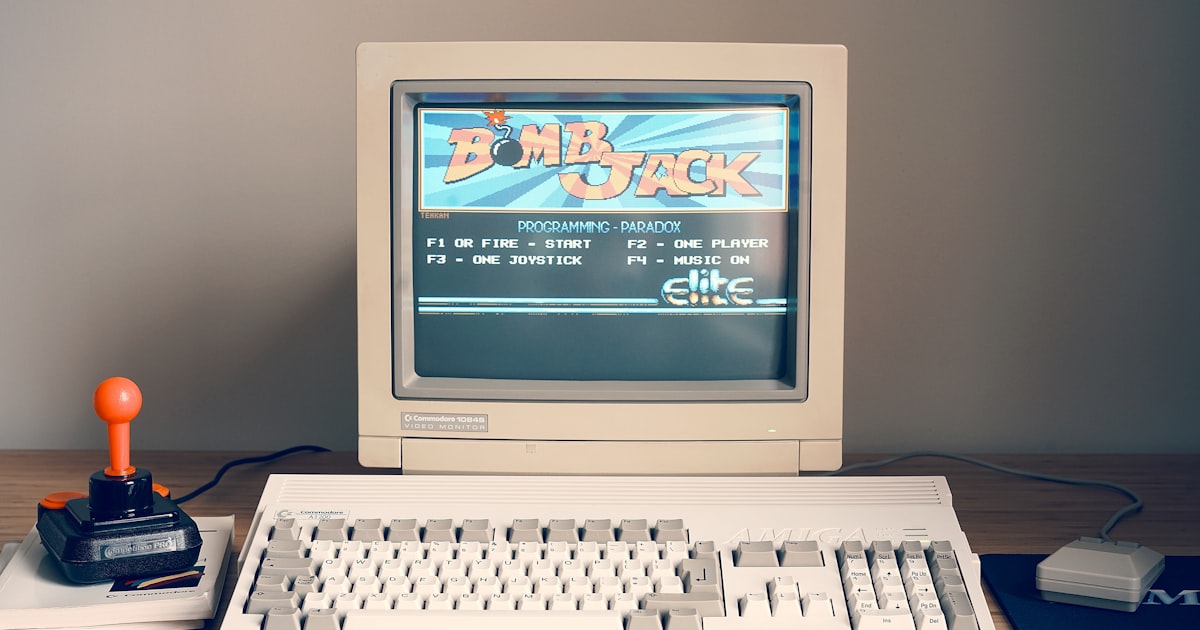
I was digging through some old bookmarks and stumbled upon my Myspace profile—talk about a time capsule. It got me thinking about how much the landscape has changed since the days of Myspace vs LiveJournal. Back then, Myspace was the king of customization: you could tweak your profile with HTML, CSS, embed music players, and really make it your own. LiveJournal, on the other hand, was all about the community—tight-knit groups, detailed privacy settings, and a focus on long-form writing.
Fast forward to 2026, and the battle feels almost quaint. Today’s platforms are a mixed bag: Instagram prioritizes visual perfection, TikTok is all about short-form video, and Discord has become the de facto community hub. Reddit scratches the blogging itch for many, but it’s a far cry from the personalized journals of LJ. What’s interesting is that Myspace’s customization spirit lives on in platforms like Carrd or even modern CMS tools, but the social aspect is fragmented across dozens of apps.
I personally miss the Myspace era—the chaos of glittery layouts and autoplaying songs was part of the fun. But I’m curious: which side were you on back then, and what do you use now for that same itch? Or have we just moved on entirely?
Topic Summary: Comparing Myspace and LiveJournal to modern platforms like TikTok, Discord, and Neocities, this discussion explores the fragmentation of social expression, loss of ownership, and the DIY revival via self-hosting and the Fediverse.
 Topic Overview (Wikipedia):
Myspace is an American social networking service. Launched on August 1, 2003, it was the first social network to reach a global audience and had a significant influence on technology, pop culture and music. It also played a critical role in the early growth of companies like YouTube and created a developer platform that launched companies such as Zynga, RockYou, and Photobucket, among others, to success. From 2005 to 2009, Myspace was the largest social networking site in the world.
— Read more on Wikipedia
 YouTube Video:
 Official Documentation & Reference Links:
---
title: Social media evolution flow
---

flowchart TD
    A[Myspace] --> B(Custom profiles)
    A --> C(Social discovery)
    D[LiveJournal] --> E(Long-form writing)
    D --> F(Community privacy)
    B --> G[Modern DIY: Carrd, Neocities]
    C --> H[Algorithmic feeds: TikTok, IG]
    E --> I[Blogging: Medium, Substack]
    F --> J[Private hubs: Discord, Slack]
I was never a fan of either, honestly. Myspace felt like a mess—too much clutter and fake profiles. LiveJournal was better for writing, but the community drama was exhausting. These days, I use a static site generator for my blog and Mastodon for microblogging. The advantage of old platforms was that you could truly own your space. Now everything is algorithm-driven and centralized. The customization we had back then is gone unless you’re willing to host your own stuff. It’s sad that many of those profiles are lost to time, but at least we have the Wayback Machine.
Still, I get the nostalgia. I’d trade the polished feeds of Instagram for the raw DIY feel of Myspace any day.
I think both platforms served different needs, but the comparison is irrelevant now. LiveJournal’s strength—privacy and selective sharing—is better handled by private Slack/Discord servers or invite-only forums. Myspace’s social discovery aspect is now split between TikTok’s algorithmic reach and LinkedIn’s professional networking. The real loss is the creativity that came from having to code your own profile. Today’s platforms make it so easy to post that we’ve lost the incentive to learn basic web skills. I started a small Neocities site last year just to recreate that old Myspace vibe. It’s not social in the same way, but it’s mine.
Maybe the lesson is that we’ve traded uniqueness for convenience. I’d rather have a mess of a profile that represents me than a sterile, uniform feed.
The Fragmentation of Social Expression
The discussion highlights a fundamental shift: the monolithic platforms of the mid-2000s have splintered into specialized tools. Myspace and LiveJournal each offered a singular, integrated experience—customization, community, and content lived under one roof. Today, that same set of needs is met by a constellation of services. The Fediverse (Mastodon, Pixelfed) recaptures the decentralized, DIY ethos, while platforms like Carrd and Neocities revive the profile-building creativity. Yet the social graph is no longer portable; your followers on one platform don’t follow you to the next.
What We Lost and Gained
Losses: The algorithmic feed killed organic discovery. On Myspace, you stumbled upon profiles through friends’ top 8 or random browsing. Today, TikTok’s For You Page is a black box. LiveJournal’s granular privacy controls—friends-only posts, filtered communities—are now poorly replicated by Discord roles or Instagram Close Friends. The biggest casualty is the digital legacy—millions of profiles lost when Myspace infamously migrated servers in 2019.
Gains: Modern platforms excel at discoverability for creators. Substack, Medium, and YouTube allow anyone to build an audience without knowing HTML. The trade-off is platform dependency; your content lives on someone else’s servers, subject to their whims.
The DIY Revival
A notable trend is the return to self-hosting. Services like Neocities, supported by the IndieWeb movement, encourage users to build their own websites. This mirrors the Myspace era but without the social networking layer. For community, Matrix and Discourse offer decentralized alternatives to LiveJournal’s groups. The lesson: the tools exist, but they require more effort to assemble. The all-in-one package is gone, replaced by a modular approach where you choose your own adventure.
Key Takeaways
- Customization: Myspace’s DIY spirit lives on in static site generators (Hugo, Jekyll) and no-code builders.
- Community: LiveJournal’s intimacy is now found in small Discord servers or invite-only forums.
- Discovery: The algorithmic feed is a double-edged sword—efficient but impersonal.
- Ownership: The IndieWeb movement advocates for domain ownership and POSSE (Publish on Own Site, Syndicate Elsewhere).
We are witnessing a cyclical return to the principles of the early web, but fragmented across dozens of apps. The question is whether users want to piece together their digital identity or continue relying on centralized platforms for convenience.
Reading through this thread brings back memories. I was heavy into LiveJournal around 2004–2005, and later dabbled with MySpace for the music scene. What strikes me now is how much the landscape has shifted — and how the core complaints from back then are still relevant, just in different platforms.
The Demise of Customization
Both MySpace and LiveJournal allowed a degree of HTML/CSS customization that modern platforms have completely abandoned. Instagram? You get a grid. TikTok? Algorithmic feed. Even Tumblr, which once championed themes, now limits custom CSS. The irony is that Xanga, which barely gets mention here, actually had some of the deepest customization via embedded scripts and custom layouts. But by the late 2000s, centralized platforms killed the indie web spirit.
Modern Equivalents: What Filled the Void?
- Music discovery: MySpace was king for indie bands. Today, that role is split between Bandcamp (artist-owned) and TikTok (algorithm-driven). SoundCloud also holds a niche, but the community feel is gone.
- Personal blogging: LiveJournal’s intimate, diary-style writing has no direct successor. Substack newsletters come close, but they’re monetized. Discord servers offer community but lack the archival nature.
- Custom profiles: The closest we have are Linktree pages or GitHub profiles — functional, not expressive.
The “Fake People” Problem
Some users complained about people lying on their profiles. That’s only intensified with curated Instagram feeds and TikTok personas. The difference? Back then, you could often spot the fake because the profile felt “off.” Now, algorithms amplify the most polished fakes. The internet has always been a mask; the mask just got better.
What We Lost
One thing that’s rarely mentioned: MySpace taught basic HTML/CSS to a generation. Editing your profile was a gateway to web development. Xanga’s flexible embed system encouraged creativity. Today’s platforms offer zero learning curve — and zero incentive to learn. As someone who runs a self-hosted WordPress blog (through my Xisto hosting, actually), I still appreciate the control. If you want that old-school vibe, run your own domain. It’s not hard, and you avoid the walled gardens.
In short, neither MySpace nor LiveJournal aged well, but they were products of their time. The real loss is the freedom to make your corner of the web truly yours.