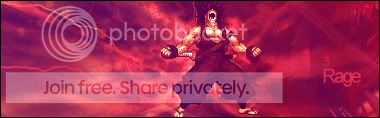
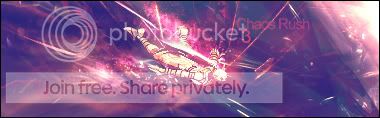
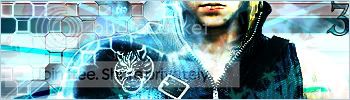
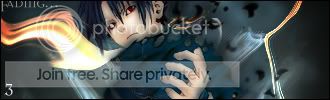
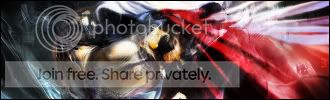
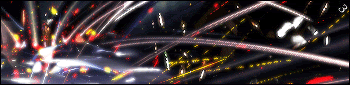
Dial-up users beware — these images are heavy! I don’t do much GFX nowadays, but I used to be pretty good back in the day. Here’s a collection of my signature works. I don’t use many downloaded brushes; instead, I rely on C4D renders and filters to create abstract tags and fan banners.
What Are Fan Banners?
Fan banners are small promotional images that people use in their signatures to show support for a particular artist, designer, or community member. I rendered the stock myself from a MySpace background. They’re a fun way to give back to the community.
My Workflow
I typically spend 30 minutes to 2 hours on each piece. I start with a C4D render as the focal point, then apply filters and color adjustments to create depth and atmosphere. I avoid heavy brushing to keep the look clean and abstract.
Modern 2026 Trends & Best Practices
Today, signature design has evolved with tools like Adobe Photoshop (still the king), Affinity Photo, and GIMP. Many designers now use AI-assisted tools like Adobe Firefly or Midjourney to generate base elements, then refine them manually. C4D remains popular for 3D renders, but Blender (free and open-source) has become a go-to for many. For sharing, platforms like DeviantArt and ArtStation are still relevant, but Instagram and Behance dominate. If you’re starting out, focus on mastering layer blending, masking, and color theory. Experiment with texture overlays and lighting effects to add depth without overcomplicating.
Final Thoughts
I’m glad to see people still appreciate this style. If you’re into abstract signatures, don’t be afraid to experiment with filters and 3D renders. It’s more about creativity than having the fanciest brushes.
Topic Summary: Showcasing fan banners and abstract signatures created with C4D renders and filters, discussing modern 2026 tools like Blender and AI-assisted design, composition critiques, and best practices for aspiring designers.
I’ve seen your gallery before, and I still think the last 8 are really nice. The 3D renders you use for backgrounds work well, but some pieces have very plain parts in the background. You could try more brushing techniques to fill those empty spaces and add texture. That said, your best one (the one with the glowing orb) is really striking — the colors and composition are on point. Keep experimenting!
I love the third and fourth ones the most — the abstract style and color combinations are gorgeous. Sure, some are a bit plain, but that simplicity works well for many of them. Graphic design is way more than just stamping brushes on a canvas, and you clearly have talent. Don’t quit making graphics! Your work inspires me to try more C4D and filter-based approaches.
The Evolution of Abstract Signatures and Fan Banners
Looking back at this collection, it’s clear that the core principles of abstract signature design have remained remarkably consistent, even as tools have evolved. The emphasis on C4D renders and filters over heavy brushing is a distinctive approach that prioritizes structural depth over texture. In 2026, this workflow has been augmented by AI-assisted generation and real-time rendering engines, but the fundamental goal—creating a visually cohesive, atmospheric piece that supports a community—is unchanged.
Modern Tools and Techniques
Today, designers often start with a base render from Blender or C4D, then use AI upscalers to enhance resolution before applying non-destructive filters in Photoshop or Affinity Photo. The use of generative fill can quickly populate empty background areas that God-Of-Earth pointed out, while maintaining the abstract aesthetic. However, the critique about plain backgrounds remains valid: even with modern tools, composition and balance are paramount. Many contemporary artists use texture blending and gradient maps to add complexity without clutter.
Title-Focused Expansion: Showcasing Fan Banners and Abstract Signatures with C4Ds and Filters
The concept of “showcasing” has shifted dramatically. In 2026, fan banners are no longer confined to forum signatures; they are shared as animated WebP or short video loops on platforms like Instagram Reels and TikTok, where motion graphics and subtle animations catch the eye. Abstract signatures have also found new life in NFT art and digital collectibles, where unique filter combinations and 3D renders can be tokenized. The use of C4D renders remains popular, but real-time engines like Unreal Engine 5 allow for interactive backgrounds that respond to user input. Filters have evolved from simple Photoshop effects to AI-driven style transfers that can mimic any aesthetic. The key takeaway is that the core skills—lighting, color theory, composition—are more important than ever, even as the medium expands.
Best Practices for Aspiring Designers
Start with a strong focal point: A well-rendered 3D object or abstract shape.
Use filters sparingly: Too many can muddy the image; aim for 2-3 complementary effects.
Leverage AI for ideation: Generate base concepts with tools like Midjourney, then refine manually.
Optimize for modern platforms: Consider aspect ratios for social media and ensure readability at small sizes.
Embrace feedback: Critiques about empty spaces or composition are opportunities to grow.
Final Thoughts
The thread’s original works stand as a testament to the enduring appeal of abstract, filter-driven design. As tools become more powerful, the challenge is to maintain a personal touch. Whether you’re using C4D, Blender, or AI, the goal remains the same: create something that resonates with your audience and reflects your creative vision.






 YouTube Video: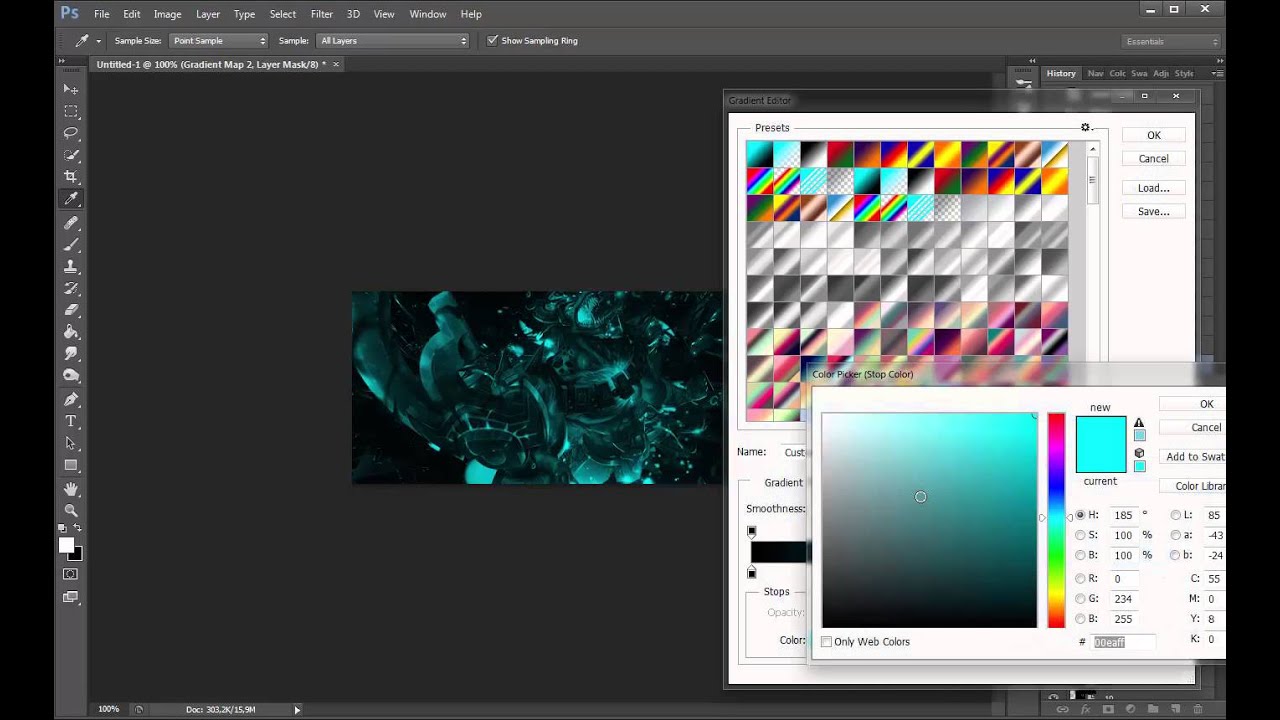
 Official Documentation & Reference Links: