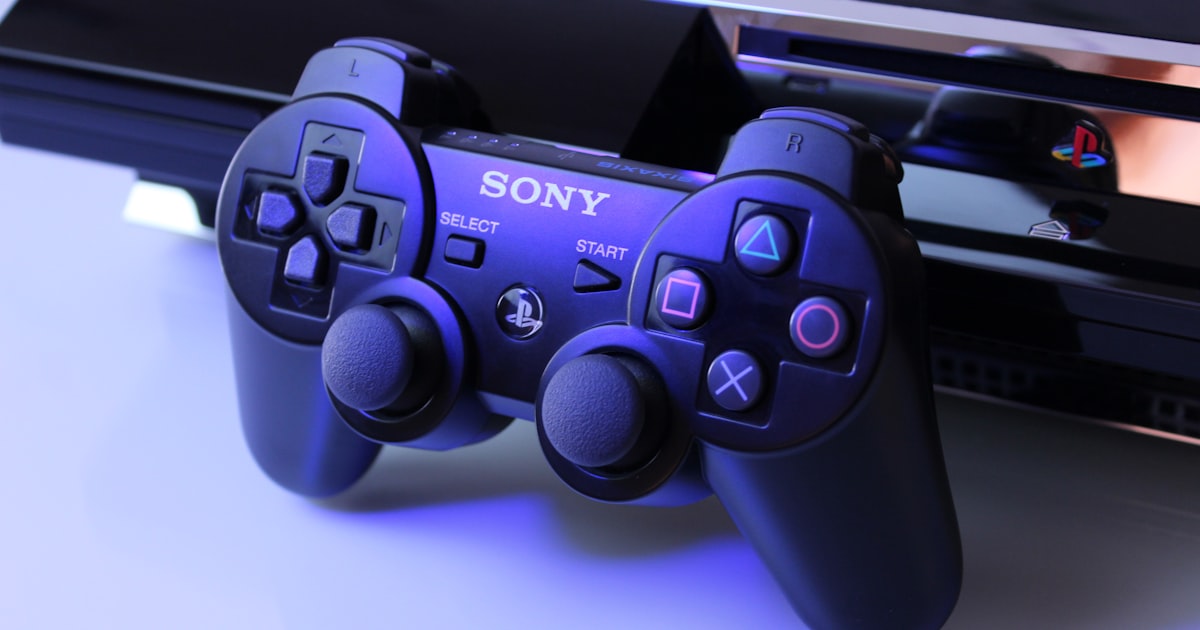
PS3 vs Wii: A Retrospective on the Seventh Generation Console War

That classic Mac vs PC parody video brought back memories of the great PS3 vs Wii debate. Almost two decades later, how do these consoles hold up? Let’s break down the legacy of Sony and Nintendo’s seventh-generation powerhouses.

The Battleground

Back in 2006, the PlayStation 3 launched with a premium price tag and cutting-edge Cell processor, while the Wii came in at half the cost with motion controls that appealed to everyone from grandmas to hardcore gamers. The Xbox 360 was the third player, but this thread focuses on the two that really defined the era’s contrast.

Where They Succeeded

The PS3 started slow due to its $599 price and complex architecture, but exclusives like Uncharted, The Last of Us, and Metal Gear Solid 4 turned it into a beloved machine for cinematic storytelling. It also became a home media center with Blu-ray playback.

The Wii sold over 100 million units by targeting a broader audience. Wii Sports, Mario Galaxy, and Zelda: Twilight Princess became system sellers. But its lower graphical power and lack of third-party support meant many core gamers felt left out.

The Modern Perspective

Today, both consoles live on through emulation. RPCS3 can run most PS3 games at 4K, while Dolphin and Cemu (for Wii U) also handle Wii titles. Original hardware is collectible, with the PS3’s backward compatibility (early models) highly sought after.

Nintendo’s Switch effectively became the spiritual successor to the Wii—hybrid console, motion controls, and family-friendly appeal—while Sony evolved into the PS4 and PS5, focusing on high-fidelity exclusives and VR.

Which One Aged Better?

If you want a library of timeless exclusives and don’t mind the bulky system, the PS3 is a gem. If you prefer local multiplayer and nostalgia, the Wii remains a party machine. Both are now affordable on the used market, though prices are climbing for rare editions.

Final Thought

That YouTube video captured the exact divide: the PS3 was for the enthusiast who wanted a media hub and deep single-player experiences; the Wii was for anyone looking for fun, accessible gameplay. In the end, both succeeded in different ways. If you’re still debating which to buy in 2026, grab both—they’re dirt cheap and worth preserving.

Topic Summary: The seventh-gen console war revisited: PS3’s cinematic exclusives vs Wii’s accessible motion controls. Emulation (RPCS3, Dolphin), preservation challenges, and modern parallels (PS5 vs Switch) show both succeeded in different ways. A must-read for retro enthusiasts.

:books: Official Documentation & Reference Links:
---
title: Seventh Gen Console Comparison Flow
---

flowchart TD
    A[PS3 vs Wii] --> B[Market Approach]
    A --> C[Target Audience]
    A --> D[Key Strengths]
    A --> E[Legacy]
    B --> F[High-End Power]
    B --> G[Mass-Market Accessibility]
    C --> H[Enthusiast Gamers]
    C --> I[Casual & Family]
    D --> J[Exclusive Story-Driven Titles]
    D --> K[Motion Controls & Party Games]
    E --> L[Modern Emulation Success]
    E --> M[Collectible Hardware]
    L --> N[RPCS3]
    L --> O[Dolphin/Cemu]
    M --> P[Early PS3 Models]
    M --> Q[Rare Wii Editions]

The Emulation Revolution

One aspect that truly reshapes the PS3 vs Wii legacy today is the emulation scene. RPCS3 has matured to the point where most major PS3 titles run at stable 4K60, breathing new life into games that were once locked to 720p with sub-30fps performance. The Cell processor, once a nightmare for developers, is now fully documented and simulated. Meanwhile, Dolphin (for GameCube/Wii) and Cemu (Wii U) also make Wii titles accessible on modern PCs, but the Wii’s simpler architecture means emulation is even less demanding. This shift has democratized access: you no longer need original hardware to enjoy Demon’s Souls or Xenoblade Chronicles.

Digital Preservation vs. Collectibility

Physical media is fading, but both consoles have robust digital libraries. The PS3’s PSN store, while still online, has lost some titles over the years (e.g., PT, Scott Pilgrim vs. The World). The Wii Shop Channel shut down in 2019, making some DLC and VC games inaccessible. However, the homebrew scene has filled the gap: modded Wiis and PS3s can run backups, custom firmware, and even overclocked performance patches. This raises questions about preservation ethics, but it also means these libraries remain playable long after official support ends.

Contemporary Echoes

The PS3 vs Wii dichotomy is mirrored today in the PS5 vs Switch dynamic—but with blurred lines. Sony continues its focus on cinematic blockbusters and high-end hardware, while Nintendo’s Switch hybrid combines portability and docked play, capturing the Wii’s broad appeal without sacrificing third-party support (thank you, UE4). Cloud gaming services like Xbox Cloud Gaming and GeForce Now also echo the PS3’s early push for online ecosystems, though with far more reliability. The Wii’s motion controls live on in the Switch’s Joy-Cons, but PS5’s DualSense haptics and adaptive triggers show Sony hasn’t abandoned innovation.

Market Lessons

  • Nintendo’s Blue Ocean: The Wii proved that accessibility trumps raw power for mass adoption. Sony learned that raw power alone doesn’t guarantee victory—PS3’s late recovery came from exclusive content, not hardware specs.
  • Third-Party Support: The Wii’s lack of it was a fatal flaw. The Switch succeeded by courting indie devs and AA studios alongside Nintendo’s first-party heavyweights.
  • Backward Compatibility: Early PS3 models played PS2 games, a feature Sony abandoned. Today, backward compatibility is a major selling point (Series X, PS5), showing the market values legacy libraries.

Verdict in 2026

If you want a curated experience of groundbreaking exclusives, the PS3 is a must-own—its library of RPGs, shooters, and story-driven adventures is unmatched. If you want a party machine that still works with four players and a beer, the Wii’s simplicity is unmatched. Both are dirt cheap now, but their emulated counterparts offer superior fidelity. The real winner? The player who can appreciate each console’s unique philosophy. The seventh generation wasn’t about who won—it was about proving that there’s no single formula for success.