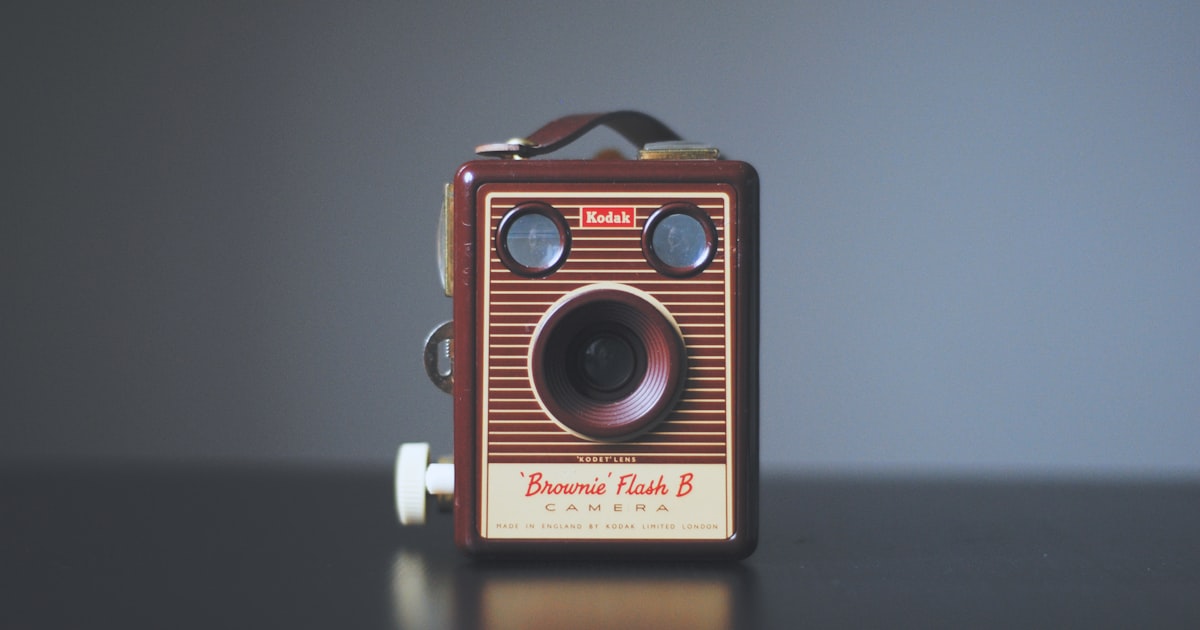
I recently came across a GENX 6.0 Ultra Slim digital camera – the one with the aluminum body and a 6.0 megapixel label. From what I can tell, it’s a rebadged generic from the mid-2000s, probably using a 3MP CMOS sensor with software interpolation to 6MP. It has a 4x digital zoom (no optical), a 1.5-inch TFT screen, and takes SD cards – it even came with a 256MB card. Battery is a Nokia-style Li-ion, and it has USB 1.1.
I’m thinking of buying it as a retro piece, but I have no idea what a fair price would be today. Back then it might have retailed for $100–150, but now it’s vintage. I see similar no-name cameras on eBay for anywhere from $20 to $80 depending on condition and completeness. The build quality looks decent (aluminum body), but the specs are laughable by 2026 standards – even a smartphone from a decade ago blows it away.
What do you think? Is it worth $50? Or should I just pass and grab a used Canon PowerShot from the same era for the same money? I’m mostly after the retro aesthetic and the feeling of using an old digicam, not for serious photography.
Honestly, that GENX camera is a dime-a-dozen generic. I’ve owned a few of those ultra-slim no-names from the mid-2000s, and they were terrible even when new – slow startup, shutter lag that feels like an eternity, and the 6MP interpolation means the actual resolution is more like 3MP with heavy artifacts. The build is okay, but the internals are recycled parts from various suppliers (CMOS sensor from Canon or Omnivision, battery from Nokia, etc.).
For a retro collector, the value is almost nil unless you find someone nostalgic for that specific brand. You might get $30–40 on a good day if the box and accessories are included. In my experience, the real worth is as a cheap webcam or a prop. If you want a vintage digicam experieence, grab a used Canon IXUS or Sony Cyber-shot from the same era – they’re still cheap ($30–60) and have actual optical zoom and better image quality.
My advice: don’t pay more than $25 for that GENX. And test it first – check the battery compartment for corrosion, see if the flash works, and take a few shots to gauge the speed. If it’s slow and the photos look mushy, walk away.
The Realities of Pricing a No-Name Vintage Digicam
PixelHunter and RetroShooter have already laid out the basics: these generic ultra-slim cameras are a mixed bag of nostalgia and technical compromise. Let’s drill down into what actually drives the price in the current market, because it’s not just about the specs or the brand.
Key Value Drivers for a GENX 6.0 Ultra Slim
- Condition and Completeness: A camera in pristine condition with original box, manuals, cables, and even the 256MB SD card can fetch 2-3x more than a body-only unit. Collectors prize the complete “time capsule” experience.
- Functional Check: The Nokia-style battery is a pain point. If the camera works with a fresh battery, that’s a huge plus. But many of these have corroded contacts or dead capacitors. Test thoroughly: flash, zoom mechanism, screen pixels.
- Nostalgia Factor: The GENX brand has no established collector base, unlike Sony or Canon. Its value is purely tied to the Y2K aesthetic and the ultra-slim form factor. On social media (TikTok, Instagram), these cameras are popular props, but that doesn’t mean high prices — supply is abundant.
The 2026 Vintage Digicam Boom: How It Affects Pricing
We are currently in a full-blown retro-digital revival. From 2020 onward, prices for iconic models (Fujifilm FinePix, Canon PowerShot G series, Sony Cyber-shot T series) have surged — some selling for $200-$500. But generic rebrands like the GENX 6.0 remain an outlier for two reasons:
- Lack of brand recognition: No influencer is yearning for a camera they don’t recognize. The hype is heavily skewed toward recognizable names.
- Image quality is actually worse than most contemporaries: The interpolated 3MP sensor produces soft, noisy images even by 2005 standards. Nostalgia seekers often want usable photos, not just a prop.
However, a subtle trend is emerging: “unknown brand” collecting. Some niche collectors specifically target no-name Chinese OEM cameras as a study in early-2000s manufacturing and design. If the GENX is a particularly slim or well-built example (aluminum body is a plus), it could attract a small premium. But realistically, you’re looking at $20-$35 for a working unit with accessories, and $10-$15 for a bare camera.
A Practical Pricing Framework
Rather than guessing, use a structured approach:
- Start with $25 as a baseline for a tested, functional camera with battery, charger, and SD card.
- Deduct $5-$10 if missing any major accessory (e.g., no charger).
- Add $5-$10 if it includes original box and manuals.
- Add $10 if the sensor actually delivers decent images (unlikely, but test).
- Set a hard ceiling at $40 — beyond that, you’re better off with a known brand like the Canon IXUS 40 or Sony DSC-T1, which offer optical zoom and better build.
Ultimately, this camera is a curiosity. Its value is emotional and aesthetic, not functional. If you can snag it for under $30 as a fun prop or a conversation piece, go for it. But don’t expect it to retain or appreciate in value.