When MSN Messenger Went Dark: A Look Back at the Great Outage of the Mid-2000s
I stumbled across this old thread and it brought back a flood of memories. For those who weren’t around back then, MSN Messenger (later Windows Live Messenger) was the dominant instant messaging platform in many parts of the world, especially before Skype took over. This thread captures a classic service disruption that happened around 2006-2007, when Microsoft was rolling out updates and occasionally breaking things.
The Symptoms: What Users Experienced
The thread describes a classic login failure: users couldn’t sign in, but some could still access Hotmail via Outlook Express. This was typical of server-side issues where authentication servers were down or misconfigured. The runtime error screenshot (likely from a help page) points to an ASP.NET error with customErrors mode set to “Off” — a debugging oversight that exposed raw error details to users.
The Cause: Updates and Growing Pains
Microsoft was transitioning MSN Messenger through several versions (7.0, 7.5, 8.0 beta) during this period. Server-side updates often caused temporary outages as they rolled out new features or patched security holes. The runtime error suggests a misconfigured web server handling authentication requests. Users reported the outage lasting several hours, with intermittent service restoration — a pattern consistent with staggered regional rollouts.
The Aftermath: What Happened to MSN Messenger?
MSN Messenger continued to evolve, eventually becoming Windows Live Messenger in 2008. But the rise of smartphones and cross-platform apps like WhatsApp, Facebook Messenger, and later Telegram slowly eroded its user base. Microsoft finally shut down Windows Live Messenger in 2013, migrating users to Skype. Today, in 2026, instant messaging is dominated by encrypted apps like Signal and WhatsApp, but the nostalgia for the “bling” and custom emoticons of MSN Messenger lives on.
Modern Parallels: Service Disruptions Today
Even in 2026, major platforms like WhatsApp and Discord experience occasional outages. The difference is that modern services have better redundancy and communication channels (status pages, Twitter/X updates). But the user reaction remains the same: frustration, humor, and a sense of helplessness. This thread is a perfect time capsule of that shared experience.
Technical Note: The Runtime Error
The error shown in the thread (customErrors mode="Off") is a classic ASP.NET misconfiguration. In production, customErrors should be set to “RemoteOnly” or “On” with a friendly error page. Exposing stack traces to end users is a security risk and a sign of a development environment accidentally left accessible. Modern frameworks like ASP.NET Core handle this more gracefully with developer exception pages.
This thread is a gem for anyone interested in the history of online services. It captures the raw, unfiltered reaction of users during a service outage — something we still see today. If you’re feeling nostalgic, there are open-source projects like Escargot that let you relive the MSN Messenger experience on modern systems. But for most of us, it’s a fond memory of a simpler time in online communication.
 Topic Overview (Wikipedia):
 YouTube Video: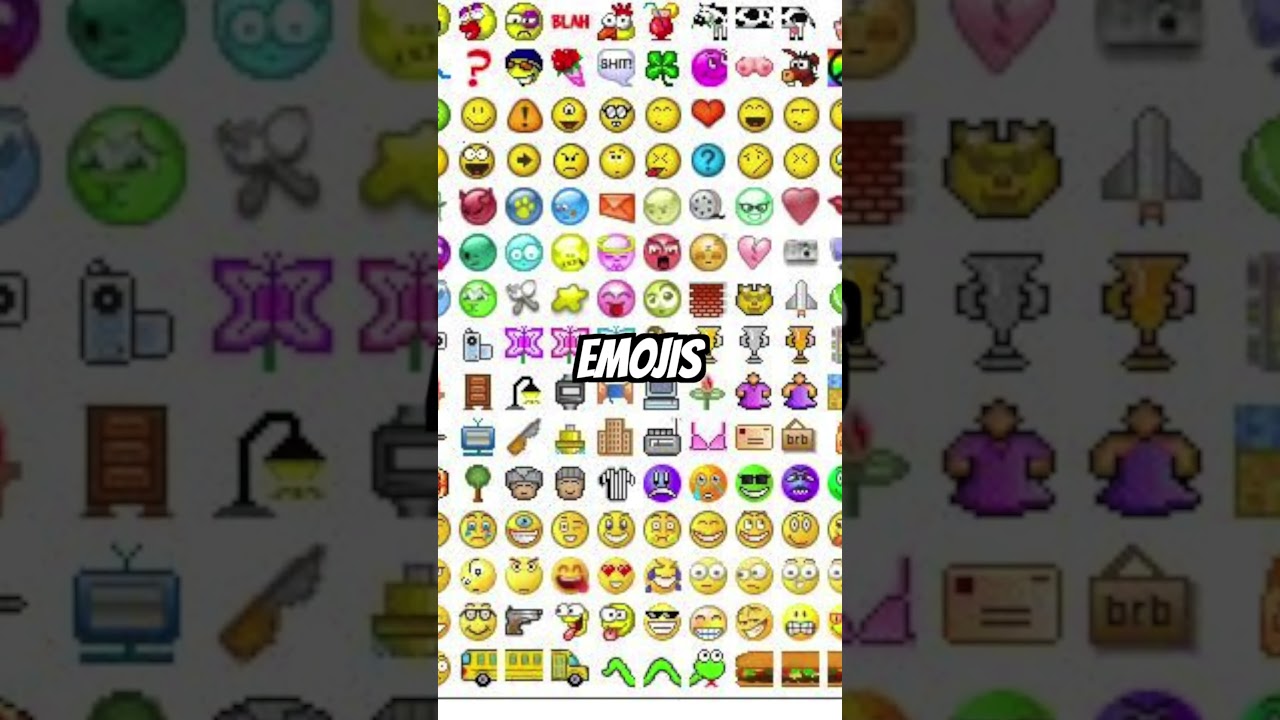
 Official Documentation & Reference Links: