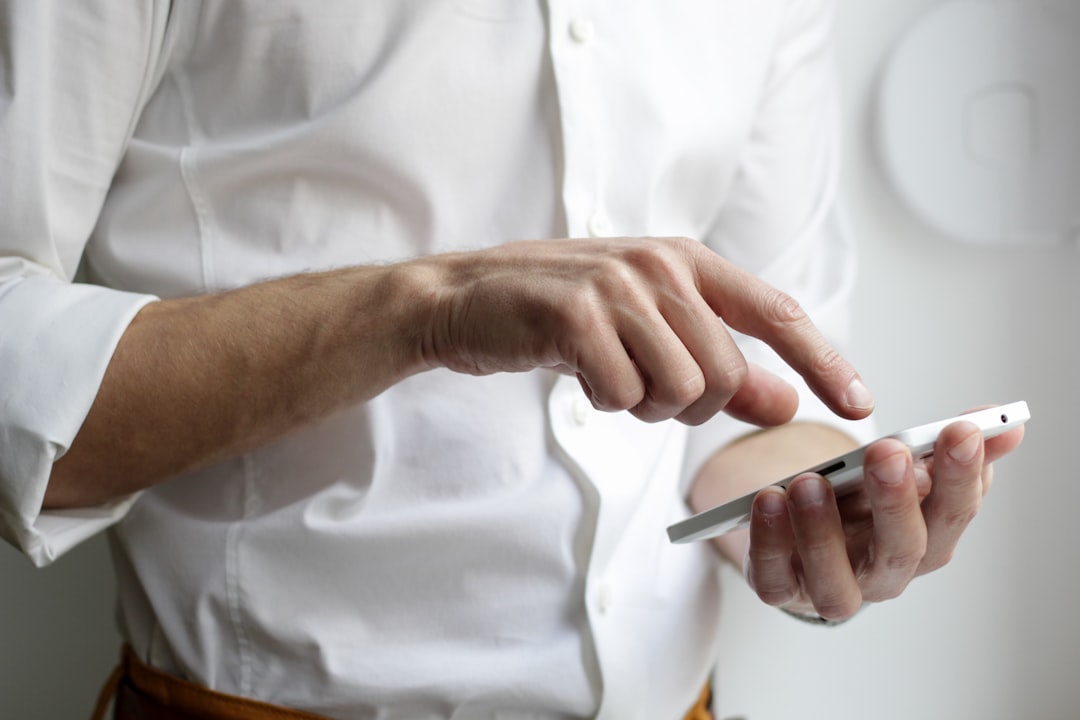
Mobile payments refer to the use of a smartphone or other mobile device to make financial transactions, often replacing physical credit cards, debit cards, or cash. The core technology enabling this is Near Field Communication (NFC), a short-range wireless communication standard that allows two devices to exchange data when held close together (typically within a few centimeters). NFC is the same technology used in contactless credit cards and transit cards, and it has been integrated into smartphones since the early 2010s.
How NFC Payments Work
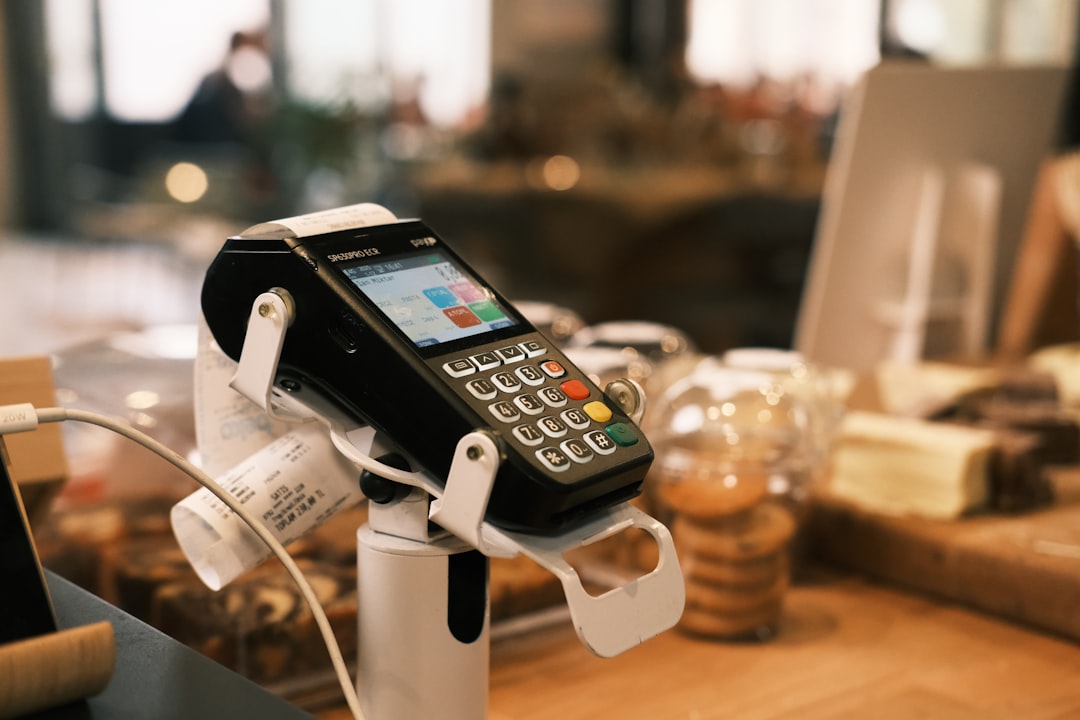
When you make an NFC payment, your smartphone communicates with a payment terminal via radio waves. The phone stores your card information securely in a dedicated chip (often called a Secure Element) or uses software-based security like tokenization. Tokenization replaces your actual card number with a unique, one-time token, so your real account details are never transmitted. This makes NFC payments highly secure. To authorize a transaction, you typically unlock your phone with a PIN, fingerprint, or face recognition, adding an extra layer of protection.
The Evolution of Digital Wallets
Digital wallets like Apple Pay, Google Pay, and Samsung Pay have made mobile payments mainstream. These services store multiple credit, debit, and loyalty cards, allowing users to pay with a single tap. Beyond payments, NFC can also be used for access control (e.g., hotel room keys), transit ticketing, and even identity verification. The convenience of not carrying a physical wallet is a major driver of adoption, though concerns about battery life, loss, and security remain.
Security Considerations
While NFC payments are generally secure, users should be aware of potential risks. Lost or stolen phones can be remotely wiped or locked via Find My Device features. However, if a phone is stolen and unlocked, a thief could make small contactless payments (often limited to a certain amount per transaction). To mitigate this, most digital wallets require biometric authentication for each payment. Additionally, users should keep their phone’s software updated and avoid using public Wi-Fi for financial transactions.
Knowledge Hub Summary: Mobile payments use NFC technology to turn smartphones into contactless credit cards. Digital wallets like Apple Pay and Google Pay securely store card information and enable tap-to-pay transactions at millions of merchants worldwide.
Official References & Documentation:
NFC Forum - The NFC Forum is the industry association that advances NFC technology. Their website provides specifications, use cases, and certification information for NFC-enabled devices.
Apple Pay Security Guide - Apple’s official guide explaining how Apple Pay protects your payment information using device-specific numbers and unique transaction codes.
Google Pay Help - Google’s help page detailing how Google Pay works, including setup, security features, and supported countries.
---
title: NFC Mobile Payment Flow
---
sequenceDiagram
    participant User as User
    participant Phone as Smartphone
    participant Terminal as Payment Terminal
    participant Bank as Bank/Issuer
    User->>Phone: Unlock & authenticate
    Phone->>Terminal: NFC tap (tokenized card data)
    Terminal->>Bank: Transaction request
    Bank->>Terminal: Approval
    Terminal->>Phone: Success
    Phone->>User: Payment confirmation
I recently came across news about a new type of cellphone that can function as a credit card. Apparently, you can use the phone to make payments directly. I haven’t been able to find any pictures of the device online, only articles. I assume it’s about to launch in North America. I’m just wondering if anyone here has heard any buzz about this new phone.
Yes, you are absolutely right! In the near future, people will be able to use their cellphones as credit cards. You might find this link beneficial—it adds more to your knowledge: [Cellphone cum Credit Card](<base_url>/no_longer_exists/).
They featured these phones on Click Online, a show on BBC News, not long ago. They looked very good indeed. It would mean not having to carry cash at all, as readers could be installed everywhere, even on buses. They even mentioned that the phones could be used instead of house keys: your front door would scan your phone and ask for your password before allowing entry. The only downside I can see is losing your phone—you’d be pretty buggered then. Who knows, though?
I’m guessing that the idea is that it’s much harder to forget, lose, or be robbed of a cellphone than a wallet. That might be true if you keep your phone in your front shirt pocket or are almost constantly talking on it. The only problem would be if you needed money badly and your battery died, or if, as you mentioned, you were robbed of your “credit card”—you wouldn’t even have a phone to call your bank and cancel the card.
I’d get a little worried if literally my entire life were contained on a mobile phone the size of a credit card. I would be continually paranoid about losing or breaking it. I like all gadgets except mobile phones. The phone element seems to have taken a back seat to other weird functions most people wouldn’t use or don’t need replacing. Plus, putting a mobile phone into an ATM would be worrying—surely there’s a risk your entire life could get chewed into a pulp or scanned by those fake fronts they put on ATMs.
The way I understood it, you wouldn’t need to put the phone into an ATM. They’ve been testing it in Japan, and the way it works is that the machine has a flat panel. You place your phone on it, and it scans a chip in the phone for your details. The phone stays in front of you the whole time—you could even keep hold of it if you wanted. The system for the front door works the same way: just a scanner on the wall that you hold your phone against.
While NFC is the most common contactless payment method, other technologies exist. Bluetooth Low Energy (BLE) can be used for payments but has longer range and higher power consumption. QR code payments (popular in China) require scanning a code with a camera, which is slower but works on any phone without NFC. NFC’s advantage is speed and simplicity: just tap and go.
Tokenization Deep Dive
Tokenization is the backbone of mobile payment security. When you add a card to a digital wallet, the wallet provider sends your card details to the card network (Visa, Mastercard, etc.), which returns a device-specific token. This token is stored on your phone and used for transactions. Even if a hacker intercepts the token, it cannot be used on another device or for online purchases without the original card’s cryptogram.
Future Trends
We are moving toward a world where phones replace not just wallets but also keys, IDs, and tickets. Ultra-wideband (UWB) technology promises even more precise location awareness for seamless payments. Biometric authentication (fingerprint, face, voice) will become more sophisticated, and wearable devices like smartwatches will further integrate payment capabilities.
I’ve been using mobile payments for years, and I can tell you it’s incredibly convenient. I rarely carry a wallet anymore—just my phone. The key is to set up a good digital wallet like Google Pay or Apple Pay. Most modern phones have NFC built-in, so you just need to add your cards. For security, always use biometric lock (fingerprint or face) and enable remote wipe. One tip: keep a backup card in your car or at home in case your phone dies. Also, check if your bank supports mobile payments—most do now. If you’re worried about losing your phone, remember that without your fingerprint or PIN, a thief can’t use your payment apps. And you can track or lock your phone remotely. Give it a try—start with a small purchase at a store that accepts contactless. You’ll be amazed how easy it is!
 Official References & Documentation: