Mastering Red Alert: Classic Strategies and Modern Gameplay

![Stock photo search: “Command and Conquer Red Alert game battle tanks and infantry mission”]

Red Alert: Then and Now

Command & Conquer: Red Alert isn’t just a game—it’s a cornerstone of the RTS genre. First released in 1996, it defined fast-paced, asymmetrical warfare with its Allied vs. Soviet conflict. Over the years, the series evolved through Red Alert 2, Yuri’s Revenge, and Red Alert 3, each adding layers of absurdity and fun. Today, in 2026, the classic games remain beloved, and with modern patches and open-source engines like CnCNet and OpenRA, they’re more accessible than ever.

Classic Strategies That Still Work

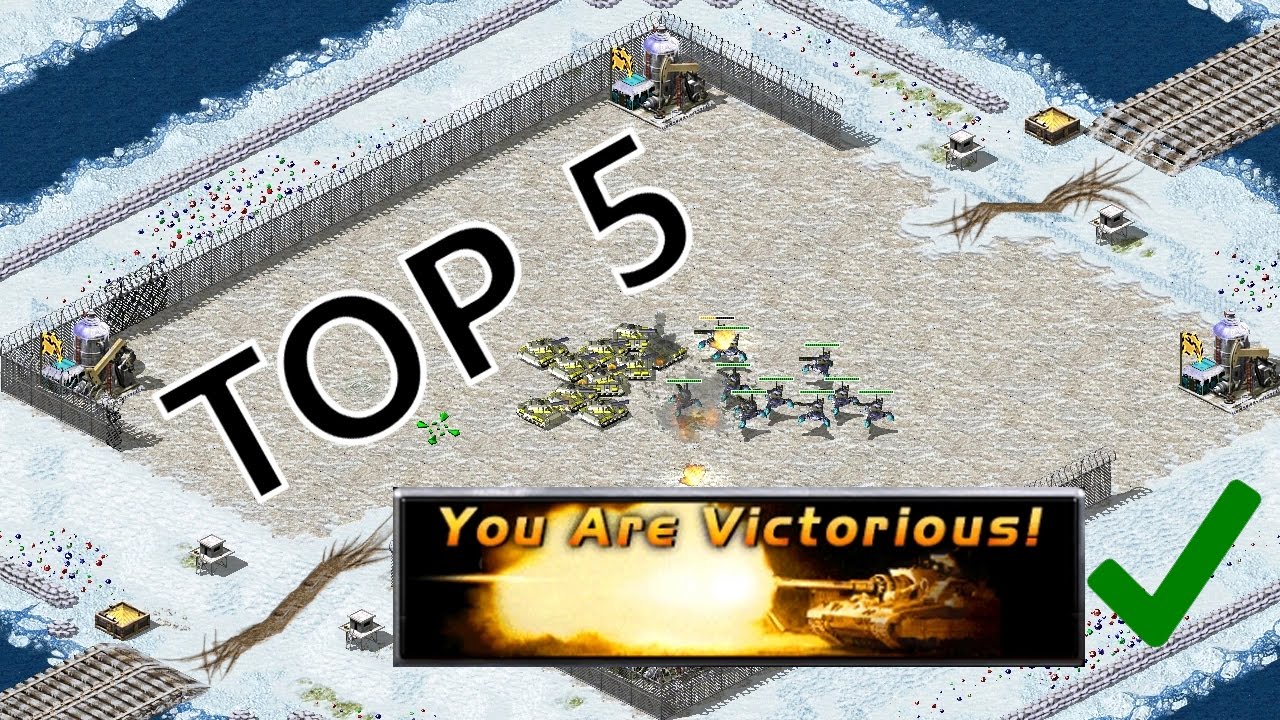
The original Red Alert rewards aggressive expansion and eco management. A solid opening is to build three ore harvesters (harvys) first, then reinforce defenses—flame towers and pillboxes hold early rushes. Once secure, build three war factories and crank out tanks. The classic “30-tank rush” is still deadly: swarm the enemy’s base with overwhelming force while keeping infantry on guard to mop up survivors.

For Red Alert 2, the meta shifted. The Rhino Rush (mass produce Rhino Tanks with Soviet) can finish a Brutal enemy in under 15 minutes. Allied players favor GI spam—drop 30-60 GI’s into an APC, deploy them near the enemy’s construction yard, and watch them shred everything. Don’t forget dogs to counter spies and Tanya; a single dog can save your base from an instant loss.

Modern Compatibility & Multiplayer

Running these classics on Windows 11 or Linux is now straightforward. For Red Alert 1, use OpenRA—a free, open-source reimplementation that runs natively, supports HD resolutions, and adds modern multiplayer matchmaking. For Red Alert 2, CnCNet offers a patched client with online lobbies, campaign fixes, and custom maps. No more wrestling with compatibility modes or missing CD-ROMs.

Beyond the Classics

Red Alert 3 (2008) brought co-op campaigns, naval focus, and campy live-action cutscenes. It’s available on Steam and EA App, but many prefer the strategic depth of Tiberium Wars for a more serious RTS. Still, if you want fast, chaotic fun with quirky units like dolphins and cryo-troopers, RA3 delivers.

Modern 2026 Trends & Best Practices

  • OpenRA is the definitive way to play RA1—it’s actively maintained, cross-platform, and supports mods like “Tiberian Dawn” and “Dune 2000.”
  • CnCNet remains essential for RA2/YR—join Discord communities to find matches.
  • Micro-management matters: Use hotkeys (F for special abilities) and practice splitting units to dodge artillery.
  • Watch pro-level tournaments on Twitch—the RA2 community still hosts events showcasing incredible micro and timing attacks.

Topic Summary: Concluding post on mastering Red Alert in 2026: embracing OpenRA and CnCNet, modernizing classic strategies, competitive micro techniques, and community resources for all skill levels.

:open_book: Topic Overview (Wikipedia):

Command & Conquer: Red Alert 2 is a real-time strategy video game released for Microsoft Windows on October 25, 2000, as the follow-up to Command & Conquer: Red Alert. Red Alert 2 picks up after the Allied campaign of the first game. Its expansion pack is Command & Conquer: Yuri’s Revenge, released a year later in 2001. Red Alert 2 was principally developed by Westwood Pacific in collaboration with Westwood Studios.
Read more on Wikipedia

:movie_camera: YouTube Video:

:books: Official Documentation & Reference Links:
---
title: Modern Red Alert mastery workflow
---

flowchart TD
    A[Learn Classic Strategies] --> B[Understand Unit Counters]
    B --> C[Practice Micro and Hotkeys]
    C --> D[Choose Platform]
    D --> E[OpenRA for RA1]
    D --> F[CnCNet for RA2/YR]
    E --> G[Play Campaign and Skirmish]
    F --> G
    G --> H{Join Community}
    H --> I[Discord Servers]
    H --> J[Twitch Tournaments]
    I --> K[Watch Replays and Learn]
    J --> K
    K --> L[Master Multi-Tasking]
    L --> M[Compete at High Level]

I remember playing Red Alert 2 back in the early 2000s—it was my first RTS, and I loved spamming Prism Tanks with the Allies. But life got in the way, and I haven’t touched it in years. I tried installing my old CD on Windows 11 and… yikes. Black screen, no sound. I almost gave up until I found this thread.

Thanks for the tips on CnCNet—I downloaded it last night and was playing online within an hour. The community is still active! My question: for skirmish against multiple Brutal AIs with superweapons enabled, what’s the best approach? I’ve tried the tank rush, but I always get nuked or weather-ed. Should I focus on building multiple construction yards to repair faster? Or is a defensive turtle into a late-game superweapon spam the way to go?

Also, any advice on hotkeys? I keep forgetting to use the chronosphere…

Great question, NewbieRTS. Beating multiple superweapon-heavy AIs requires a different mindset. Here’s what works for me against 3-4 Brutal Soviets in RA2:

1. Survive the first 5 minutes: Build three ore miners, then a War Factory and enough GI’s/Gattling Cannons to hold your front. DON’T expand until you have at least 10 tanks and a few IFVs with engineers.

2. Deny superweapons: Chrono a spy into their lab or use an Engineer IFV capture to disable their tech. Alternatively, rush a group of Chrono Legionnaires into their base to delete the Nuclear Missile Silo or Weather Control Device before it’s built.

3. Micro-manage prism tanks: A group of 10 Prism Tanks with a few Mirage Tanks for cover can wipe out a base in seconds if you use their prism-shield ability (F key). Pair them with Rocketeers for anti-air support.

4. Economy denial: Send a few Grizzly Tanks to harass their ore trucks and miners. Keep them moving—don’t let the AI rebuild.

5. Superweapon counter: Build multiple Construction Yards so you can repair key structures during a nuke warning. And always keep a few dogs near your base entrance to catch enemy Spies.

For hotkeys: Rebinding Q,W,E,R to common units helps. I use Q for tanks, W for infantry, E for support (dogs/engineers). And don’t forget to chrono-bomb their expansion bases!

If you want to practice, load up a custom map with chokepoints like “Arctic Circle” and practice the above. Once you get the flow, even 7 Brutal opponents become manageable.

The Evolution of Classic RTS Mastery

What strikes me most about this discussion is how the core principles of Red Alert strategy have remained remarkably stable over three decades, even as the platforms and player expectations have shifted dramatically. The tank rushes, prism micro, and superweapon denial tactics described here are timeless—but mastering them today requires adapting to a new ecosystem of tools and communities.

OpenRA and CnCNet: The Modern Gateway

The transition from physical CDs to digital distribution was bumpy, but open-source projects like OpenRA and CnCNet have become the definitive way to experience these classics. OpenRA, in particular, has introduced quality-of-life features that modern RTS players expect—like unified hotkeys, fog of war adjustments, and integrated matchmaking. This lowers the barrier for newcomers while preserving the strategic depth that veterans love. CnCNet, meanwhile, keeps the original RA2/YR experience alive with lobby filters and custom map support.

The Competitive Scene and Learning Resources

Beyond casual skirmishes, communities on Discord and Twitch now host regular tournaments with cash prizes. Watching top players execute the “Rhino Rush” at 300 APM reveals micro techniques that were impossible in the 90s—like stutter-moving tanks to dodge artillery shells. For those wanting to improve, I recommend studying unit efficiency graphs on fan wikis or using OpenRA’s replay system to analyze build orders frame by frame.

2026 Best Practices for All Skill Levels

  • For beginners: Start with OpenRA’s campaign to learn base building and unit counters, then graduate to 1v1 against the AI on maps like “Isle of Wight” with no superweapons.
  • For intermediates: Focus on economy denial—scout with dogs early, then send a single tank to harass ore miners. Force your opponent to waste APM on base management.
  • For advanced players: Master the art of multi-tasking. In RA2, queuing up chronosphere strikes while microing a tank squad requires split attention. Use hotkey profiles from pro players (e.g., grouping barracks to a mouse button) to reduce reaction time.

Beyond the Game: Lessons for Modern RTS Design

Red Alert’s enduring appeal lies in its asymmetrical power fantasy—Allied precision vs. Soviet brute force. Modern RTS titles like Tempest Rising and Stormgate are explicitly borrowing this design philosophy. Understanding how unit relationships (e.g., Tesla Troopers vs. GIs) create hard counters can inform how we approach any competitive RTS.

In summary, mastering Red Alert today isn’t just about memorizing build orders—it’s about embracing a living community built around open-source tools. The classic strategies still work, but they’re now augmented by analytics, discord pings, and 60 FPS replays. Keep experimenting, and don’t fear the superweapons—learn to manipulate them.