I started using Linux so many years ago—it’s always been part of my life, thanks to my dad! Recently, I finally deleted my last Windows partition. The only thing keeping me on Windows was my iPod and my (admittedly ridiculous) love affair with iTunes. But now I’ve moved on to open-source music players like Strawberry and Clementine, and honestly, I’ve fallen in love with them. There’s something liberating about not being tied to Apple’s ecosystem.
Kicking Windows to the Curb
It wasn’t just about music. Over time, I realized I could do everything I needed on Linux—graphic design with GIMP and Inkscape, web development, and more. The stability and speed are unmatched. If you’re on the fence, just take the leap. You might miss a few proprietary apps initially, but the open-source alternatives have matured incredibly.
twpayne/chezmoi - Manage your dotfiles across multiple diverse machines, securely. (★ 20697)
Topic Overview (Wikipedia):
Linux is a family of free and open-source software Unix-like operating systems based on the Linux kernel, which was first released on 17 September 1991 by Linus Torvalds. Some members of the family are typically packaged as a distribution, which includes the kernel alongside supporting system software and libraries developed by third parties—such as GNU, Red Hat, and X.Org—to create a complete operating system; however, not all Linux-based operating systems are considered distros, with Android being an example. Linux was originally designed as a clone of Unix and is distributed under the copyleft GPL license. — Read more on Wikipedia
I started with Debian back in the woody days—yes, I installed it with 1.44-inch floppy disks over a 10kbps internet connection. It took 6 hours, but that experience taught me everything about Linux fundamentals. Before that, I was deep into Win9x, coding in Visual Basic and FoxPro. But after my teacher introduced us to Linux, I never looked back.
Why Windows Lost Me
The stability, the real multitasking, the lack of blue screens—it was a revelation. And the freedom from contracts and DRM? Priceless. These days, even with modern distributions, the core philosophy remains: your computer, your rules. Whether you use Debian, Ubuntu, or Fedora, the choice is yours. That’s what makes Linux so powerful.
I first tried Linux about a year ago but gave up after a few weeks. I tried to learn too much too fast. Then I installed openSUSE 10.2 (GNOME) and dual-booted with XP. It felt so much easier than Slackware! But I hit issues: Flash crashed Opera (remember Flash?), codecs wouldn’t work, and suspend was broken. It was frustrating.
Giving openSUSE Another Chance
After my exams, I plan to revisit it. Modern distros have solved most of those problems—PipeWire replaces PulseAudio, Wayland handles sleep better, and Flatpak/Flathub provides sandboxed apps. The community is amazing. If you’re new, start with something user-friendly like Linux Mint or Pop!_OS. Don’t give up after the first hiccup—the learning curve is worth it.

 Featured GitHub Resource:
 Topic Overview (Wikipedia):
 Video Tutorial: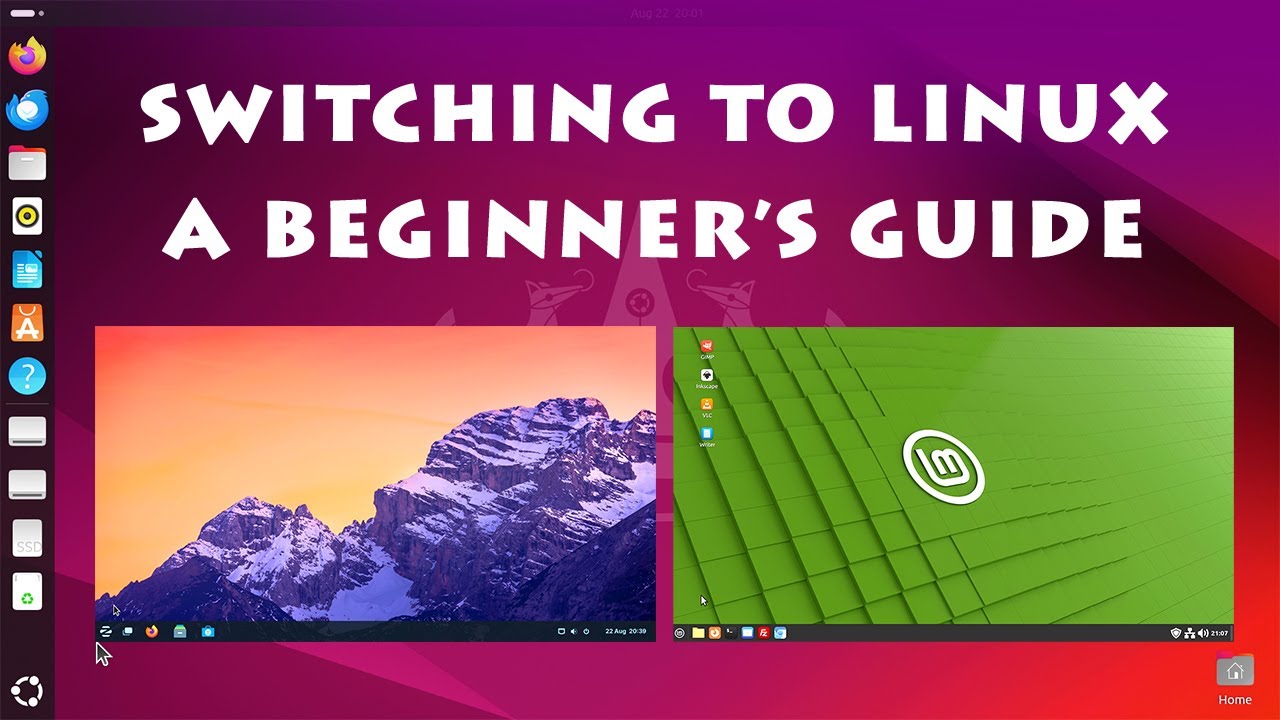
 Official Documentation & Reference Links: