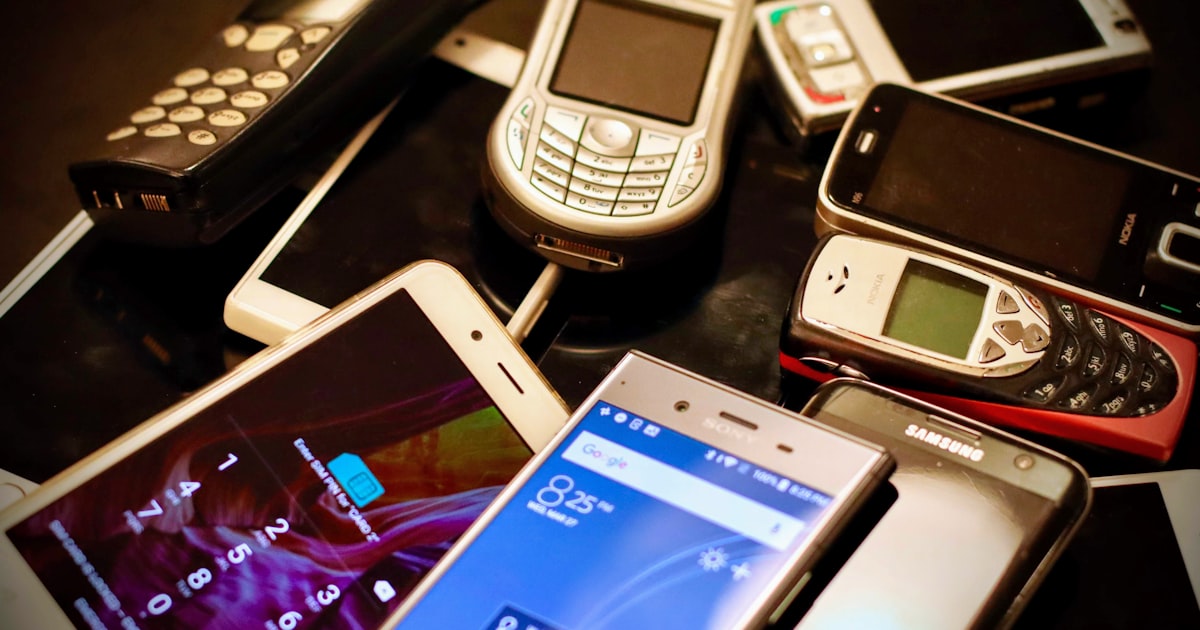
I stumbled upon this old thread about Palm PDAs and had to chime in. It’s wild to think that just 20 years ago, we were debating whether a Zire 71 was better than a Zire 72, or if a Palm III with 2MB of storage was enough. Fast forward to 2026, and the entire concept of a personal digital assistant has been swallowed by smartphones—but the legacy lives on.
The Golden Age of PDAs
Back in the early 2000s, Palm dominated the handheld market. Devices like the Palm III, VII, and the Zire series were the go-to for organizing contacts, calendars, and notes. The Zire 72, as mentioned, had a built-in camera, speaker, and Bluetooth—cutting-edge for its time. But with only 32MB of RAM (if you were lucky) and a 144 MHz processor, they were severely limited compared to today’s devices.
Why PDAs Faded
The rise of smartphones—especially the iPhone in 2007 and subsequent Android devices—killed the standalone PDA. A modern smartphone packs more computing power than a 2005 desktop PC, with gigabytes of RAM, multi-core processors, and screens that dwarf the old 160x160 pixel displays. The Palm OS was eventually eclipsed by iOS and Android, which offered richer ecosystems for apps, media, and connectivity.
The Modern Equivalent
If you’re looking for that PDA experience today, you’re essentially carrying it in your pocket. Apps like Google Keep, Notion, or Microsoft To Do handle task management far better than any Graffiti-written note ever could. For hardcore retro enthusiasts, there are emulators like Palm OS Emulator (POSE) or even modern devices like the Palm Phone (a tiny Android phone from 2018) that try to recapture the form factor.
What We Lost (and Gained)
Sure, we lost the physical buttons and the satisfying click of a stylus. But we gained always-on internet, cloud sync, and access to millions of apps. The old debate about 2MB vs 32MB seems laughable now—even a budget smartphone has 64GB of storage. Still, there’s a charm to the simplicity of PDAs. They did one thing (organization) and did it well, without notifications or distractions.
Should You Buy a Retro PDA Today?
If you’re curious, you can find old Palm devices on eBay for under $50. They’re fun for nostalgic tinkering, but impractical for daily use. The batteries are often dead, synchronization with modern PCs is a hassle, and the IR beaming (remember that?) is obsolete. For actual productivity, stick with a modern phone or tablet.
In the end, the Palm PDA was a stepping stone. It proved that computing could be personal and portable. Today, we carry that legacy in devices that are orders of magnitude more powerful—but every once in a while, it’s nice to look back and appreciate where we came from.
 Topic Overview (Wikipedia):
 YouTube Video: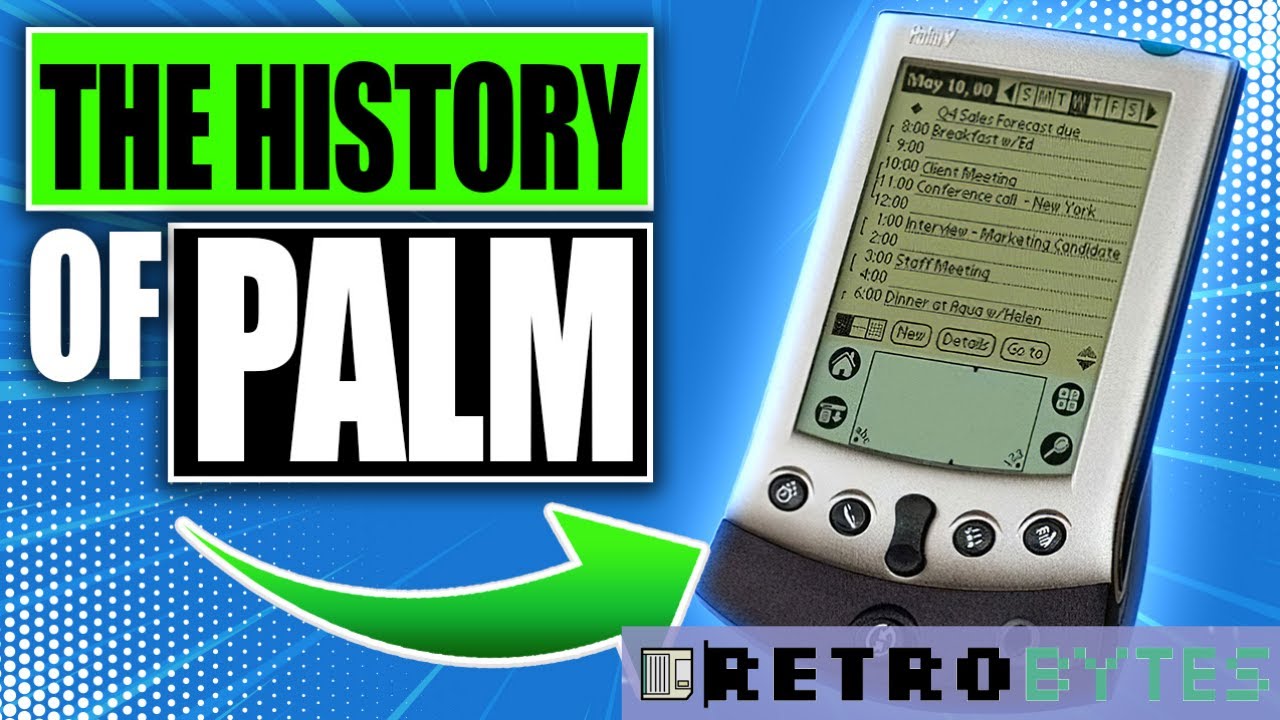
 Official Documentation & Reference Links: