China Overview: Geography, Culture & Modern Updates

China is a massive country with a rich history and diverse geography. Here’s a comprehensive overview based on the original post, updated with modern data.

Flag & Symbols

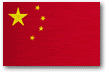
  • Flag: Five-star red flag, proportion 3:2.
  • Capital: Beijing
  • National Anthem: “March of the Volunteers” – lyrics call for unity and resistance.
  • National Day: October 1 (founded 1949).

Geography

  • Location: East Asia, west Pacific Ocean.
  • Area: ~9.6 million sq km (3rd largest after Russia and Canada).
  • Topography: High west, low east. Mountains 33.3%, plateaus 26%, basins 18.8%, plains 12%, hills 9.9%.
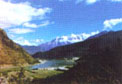
  • Mountains: Himalayas include Mount Qomolangma (Everest) at 8,848 m. 7 of the world’s 19 peaks over 7,000 m are in China.
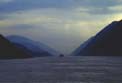
  • Rivers: Yangtze (6,300 km, 3rd longest globally), Yellow River (5,464 km).
  • Canyon: Yarlung Tsangpo Grand Canyon (504.6 km long, 6,009 m deep) – world’s largest.
  • Man-made river: Grand Canal (1,801 km, longest in world, started 5th century BC).
  • Lakes: Poyang Lake (largest freshwater), Qinghai Lake (largest salt lake).
  • Climate: Mostly temperate, but ranges from tropical (south) to frigid (north).

Wildlife & Plants

  • Animals: Over 4,400 vertebrates, including rare species like giant panda, golden monkey, South China tiger, white-flag dolphin, Chinese alligator.
  • Plants: 32,000 higher plant species, covering nearly all northern hemisphere vegetation types.
  • Popular flowers: Peony, azalea, primrose, felwort.

Demographics (2000 Census Data – Note: Now outdated)

  • Population: 1.295 billion (2000). By 2026, estimated ~1.42 billion.
  • Growth rate: 1.07% annually (1990-2000). Now ~0.3%.
  • Life expectancy: 71 years (2000). Now ~78 years.
  • Gender: 51.63% male, 48.37% female.
  • Age structure: Under 14: 22.89%; 15-64: 70.15%; 65+: 6.96%.
  • Urban/rural: 36.09% urban, 63.91% rural. Now ~65% urban.
  • Ethnic groups: Han 91.59%, minorities 8.41% (55 recognized groups).
  • Languages: Mandarin (standard), plus many regional languages. Hui and Manchu use Mandarin; others have own languages.

Economy & Currency

  • Currency: Renminbi (RMB) yuan. Exchange rate in 2002: 8.3 yuan = $1. Now ~7.2 yuan = $1.
  • GDP (2002): 10,239.8 billion yuan (~$1.23 trillion). Now ~$18 trillion.

Government

  • Top legislature: National People’s Congress (NPC).
  • Public holidays: New Year’s Day (Jan 1), Spring Festival (lunar New Year), Labor Day (May 1), National Day (Oct 1).

Modern 2026 Trends & Best Practices

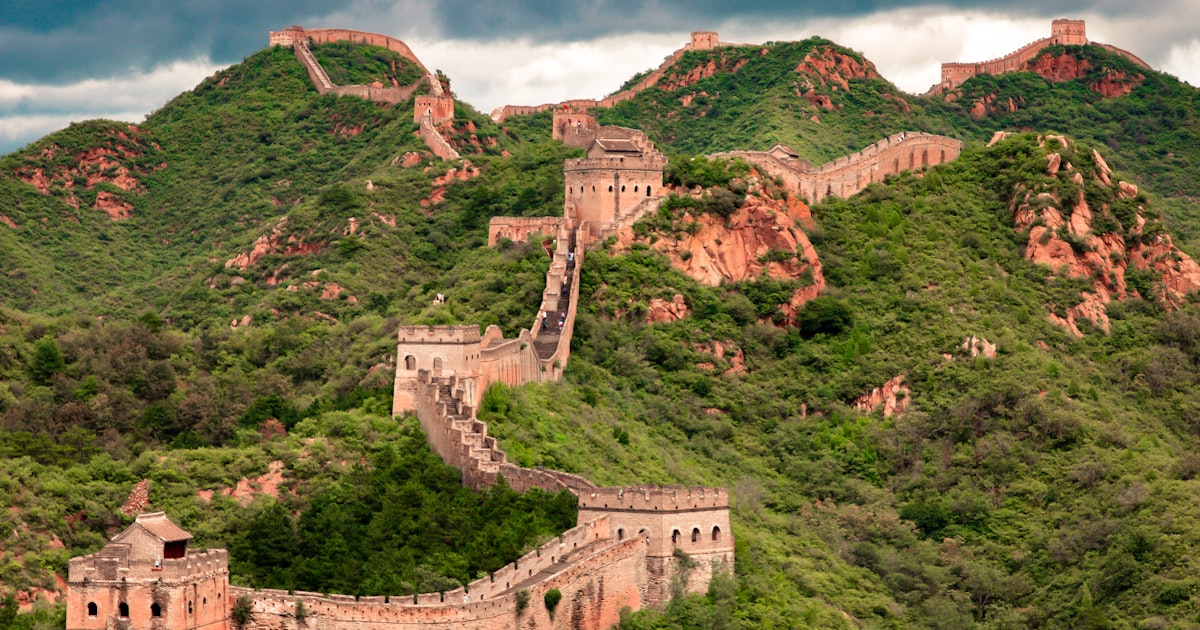
  • Travel: China’s high-speed rail network is the world’s largest, making travel efficient. Popular destinations: Beijing (Great Wall, Forbidden City), Shanghai (skyline, Disneyland), Zhangjiajie (Avatar mountains), Chengdu (pandas).
  • Technology: China leads in 5G, e-commerce (Alibaba, JD), and digital payments (WeChat Pay, Alipay).
  • Economy: Shift towards green energy, AI, and manufacturing innovation.
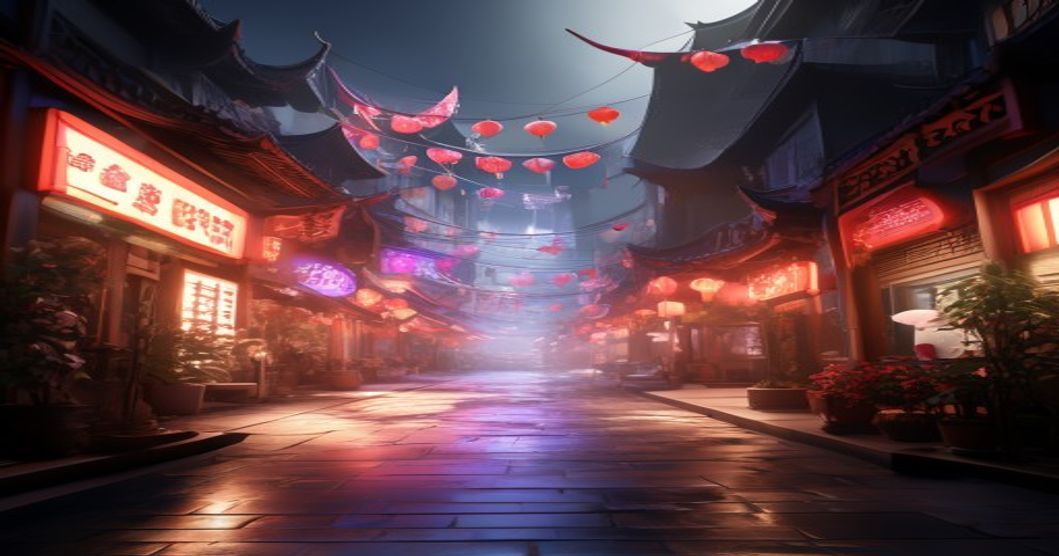
  • Culture: Traditional festivals like Spring Festival and Mid-Autumn Festival remain central. Modern pop culture (K-pop influence, Chinese cinema) is booming.
  • Environment: Efforts to combat pollution and promote renewable energy (solar, wind) are significant.

For up-to-date stats, check the National Bureau of Statistics of China or World Bank.

Image

Image

Image

Image

Topic Summary: China’s geography, culture, and modern updates: high-speed rail, digital payments, green energy, aging population, and travel tips. Updated 2026 data on GDP, population, and environmental progress.

:open_book: Topic Overview (Wikipedia):

China, officially the People’s Republic of China (PRC), is a country in East Asia. It is the world’s second-most populous country after India, with a population exceeding 1.4 billion, across an area of 9.6 million square kilometers (3,700,000 sq mi), making it the third-largest country by area. It is divided into 33 province-level divisions, including two special administrative regions. Beijing is the capital, while Shanghai is the most populous city by urban area. Its geography features the vast Central Plain, major rivers such as the Yangtze and Yellow River, deserts, subtropical and temperate forests, plateaus, and mountain ranges such as the Himalayas.
Read more on Wikipedia

:movie_camera: YouTube Video:

:books: Official Documentation & Reference Links:
---
title: China Modern Overview Flow
---

flowchart TD
    A[China Overview] --> B[Geography]
    A --> C[Culture]
    A --> D[Economy]
    A --> E[Environment]
    B --> B1[High-West Low-East Topography]
    B --> B2[Major Rivers: Yangtze, Yellow]
    B --> B3[High-Speed Rail Network]
    C --> C1[Traditional Festivals]
    C --> C2[Digital Payments Integration]
    C --> C3[Modern Pop Culture]
    D --> D1[GDP ~18 Trillion]
    D --> D2[AI & Green Energy]
    D --> D3[Aging Population Challenges]
    E --> E1[Renewable Energy Leadership]
    E --> E2[Pollution Reduction]
    E --> E3[Ecological Civilization Policy]

Great overview! I’ve been to China twice – once in 2018 and again in 2024. The changes are incredible. The high-speed trains make it easy to see places like Beijing, Xi’an, and Shanghai in one trip. The food is amazing, especially in Chengdu (Sichuan cuisine). If you’re planning a visit, I’d recommend getting a VPN before you go because internet restrictions can be tricky. Also, learn a few Mandarin phrases – it helps a lot. The people are friendly, and the history is mind-blowing. Definitely worth a trip!

Nice compilation. A few corrections for accuracy: The population figure of 1.295 billion is from the 2000 census. As of 2026, China’s population is estimated at 1.412 billion (UN data), but it has started declining slightly due to low birth rates. The urban population is now over 65%, and life expectancy has risen to 78 years. Also, the exchange rate has fluctuated; currently around 7.2 yuan per USD. The GDP in 2025 was about $18 trillion. For anyone interested in current data, the World Bank and China’s National Bureau of Statistics are reliable sources.

Geography and Infrastructure: A Modern Marvel

China’s geography, as outlined, is not just a static backdrop but a dynamic force shaping modern infrastructure. The high-west, low-east topography directly influences the world’s largest high-speed rail network, which now spans over 40,000 km. The Yangtze River, the third longest globally, is a vital economic artery, supporting the Three Gorges Dam—the world’s largest hydropower project. The Grand Canal, an ancient man-made river, has been modernized to support freight transport, showcasing how historical geography adapts to contemporary logistics.

Cultural Evolution: Tradition Meets Digital

Culture in China is a fascinating blend of ancient traditions and cutting-edge digital life. Traditional festivals like Spring Festival and Mid-Autumn Festival are now celebrated with digital red envelopes via WeChat and Alipay, integrating centuries-old customs with modern fintech. The rise of Chinese cinema and pop culture, including films like The Wandering Earth and the global influence of K-pop, reflects a new cultural soft power. However, the preservation of minority languages and customs remains a challenge, with 55 recognized ethnic groups balancing modernization with heritage.

Economic Shifts: From Manufacturing to Innovation

China’s economy has undergone a seismic shift from low-cost manufacturing to high-tech innovation. The GDP, now around $18 trillion, is driven by sectors like AI, green energy, and e-commerce. The Belt and Road Initiative has expanded China’s economic influence globally, while domestic consumption is fueled by platforms like Alibaba and JD. The demographic challenge of an aging population and declining birth rates is prompting policy shifts, such as the three-child policy and investments in automation to maintain productivity.

Environmental Progress and Challenges

China’s rapid growth has come with environmental costs, but recent efforts are noteworthy. The country leads in renewable energy, with massive solar and wind farms in the Gobi Desert and along the coast. Air pollution in major cities has decreased significantly due to stricter regulations and a shift away from coal. The concept of “Ecological Civilization” is now embedded in policy, aiming for carbon neutrality by 2060. The giant panda, a national symbol, has been downlisted from endangered to vulnerable, thanks to conservation efforts.

Travel and Connectivity

For travelers, China offers unparalleled connectivity. The high-speed rail network makes it possible to traverse from Beijing to Hong Kong in under 9 hours. Digital payments are ubiquitous, but cash is still useful in rural areas. The Great Wall, Forbidden City, and Zhangjiajie’s Avatar mountains remain top attractions, but emerging destinations like the Zhangye Danxia landform and the ice festival in Harbin are gaining popularity. Understanding the social credit system and internet restrictions is crucial for a smooth visit.

Looking Ahead

China’s trajectory is one of balancing rapid modernization with cultural preservation and environmental sustainability. The interplay between its vast geography, rich culture, and technological prowess will continue to shape global trends. Whether you’re interested in history, business, or travel, China offers a complex, rewarding landscape to explore.